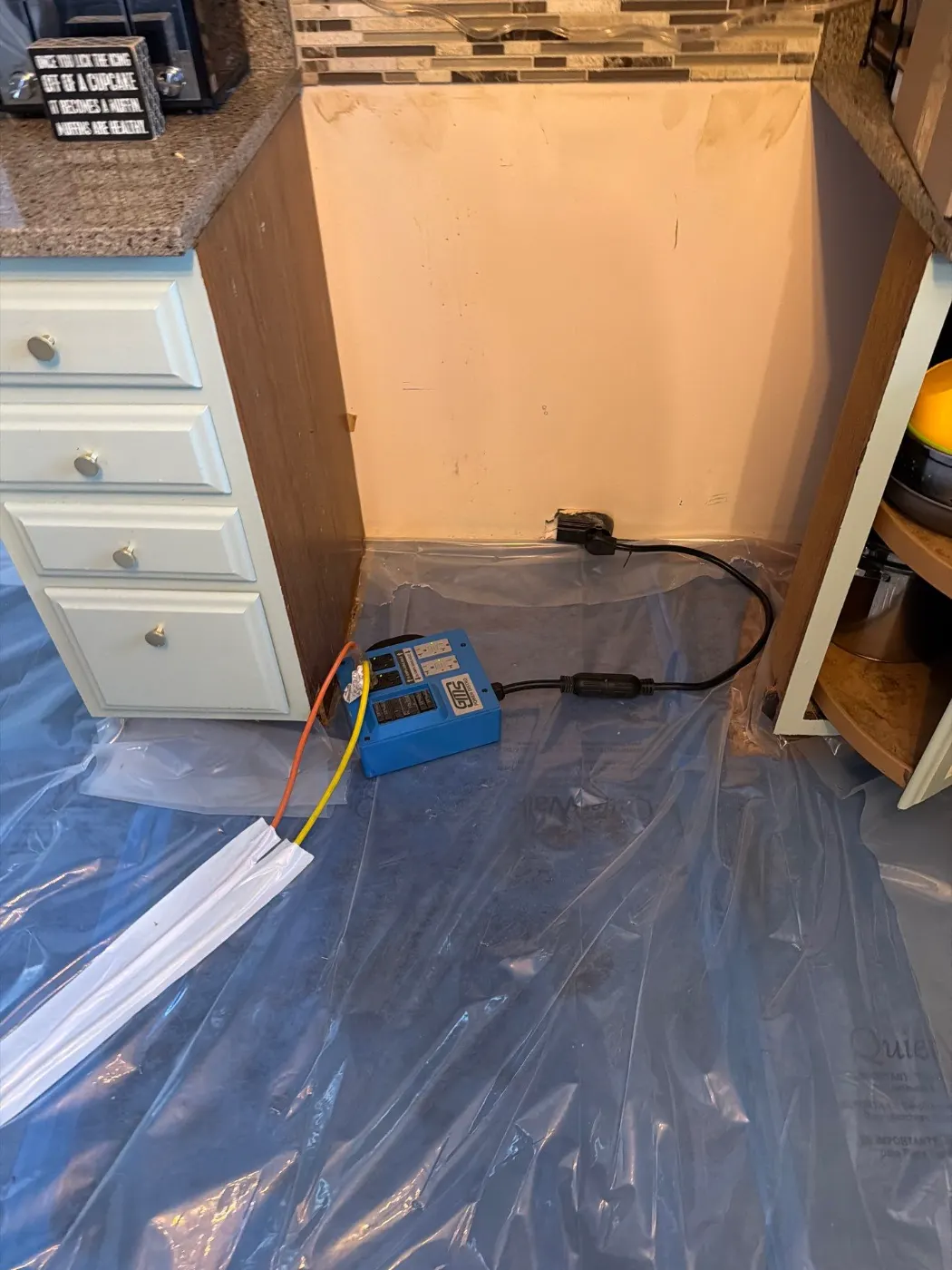
Commercial Water Restoration in Honey Creek, IN
Night and weekend commercial drying in Honey Creek, zoned so the rest of your floor keeps operating.
Honey Creek Water Restoration provides Commercial Water Restoration in Honey Creek, IN. 24/7 emergency response with IICRC certified crews, and we work with your insurance carrier on approved claims. Call (765) 517-7678 for immediate dispatch.
- Service: Commercial Water Restoration for Honey Creek homeowners
- Service area: Honey Creek, IN and surrounding areas
- Response time: Emergency water calls in Honey Creek get crews rolling, not callbacks
- Licensed and insured (License #RC21100059)
- Serving Honey Creek, IN since 2018
Commercial Water Damage Restoration in Honey Creek
We extract water and dry commercial buildings across Honey Creek, and we're available around the clock.
Site Conditions
Properties near the creek of the same name and the Wabash River carry added flood risk in heavy rain. Freeze and thaw cycles each winter can burst pipes in unheated parts of a commercial building. Your building's own drains and roof get checked on the first walkthrough with whoever manages the property.
We cover commercial properties across Honey Creek, including the area around South Seventh Street and Terre Haute South Vigo High School. We also handle commercial water losses in Rockville and Brazil.
Commercial Water Restoration for Honey Creek Businesses
Nobody was in the building from Friday evening until this morning, which gave a supply line the whole weekend to run. Water that sat that long has already moved into wall cavities, under glue down flooring, and out past the suite where it started. Crews and drying equipment dispatch to commercial water losses in Honey Creek within 2 hours, and the first thing Honey Creek Water Restoration documents is how far the water went.
A moisture meter reading means little until it's matched to the material it's touching. Pin meters and pinless meters read drywall, wood, plaster and concrete on different scales, so the crew notes the meter and the scale beside each number in your Honey Creek log. That lets a consultant retake the same reading and compare it.
Vinyl composition tile looks fine on top while water works underneath it. Honey Creek Water Restoration crews pop a few tiles at a seam to see whether the adhesive has let go and whether water sits on the slab. Where the bond holds, the tile stays and the slab dries in place. In older Honey Creek buildings the tile and mastic get sampled before anything is lifted.
Commercial adjusters want a file they can price. Honey Creek Water Restoration builds one from the first hour: photographs by area, moisture readings logged daily by location and material, the water category with the reasoning behind it, an equipment list with hours, and scope itemized by suite. You or your broker submit it and make the coverage decisions with your carrier. The documentation exists so nobody has to take anybody's word for what was wet.
Call Honey Creek Water Restoration and a crew dispatches to your Honey Creek building within 2 hours. The crew maps the moisture, starts extraction and photographs every affected area, and the scope with readings behind it comes to you in writing before removal starts.
Signs You Need Commercial Water Restoration
If you notice any of these in your Honey Creek building, schedule a free inspection before the issue worsens.
Pallets or cardboard cases showing a wick line a few inches up from the slab
Vinyl wallcovering seams curling or bubbling on an interior partition wall
Water spreading from a laundry room or mailroom door into the common corridor
Residents reporting a brown stain spreading across the corridor ceiling outside their unit
Rust staining at the base of steel studs, shelving uprights or racking posts
Recessed lights flickering or a breaker tripping in a room with a stained ceiling
Sewage backing up at a floor drain in a restroom, kitchen or loading area
An interior roof drain leader gurgling or backing up during heavy rain
Chilled water pipe insulation dripping onto the ceiling tiles below it
Carpet seams darkening along a corridor even though the surface feels dry
How Honey Creek Water Restoration Handles Commercial Water Restoration
We follow these steps in order on every Honey Creek job.
Emergency Call Intake
The person who answers asks where the water is coming from in your Honey Creek building and whether the source is shut off. Access details and your engineer's contact get collected, and you hear what to move and what to leave in place for photographs.
Engineering Walkthrough
Walkthrough runs with your building engineer to isolate the source, confirm which risers and panels are involved, and identify occupied areas that have to keep operating. Access needs and after hours windows get set during the same visit.
Air Handling Coordination
Units that serve the wet zone get identified with your engineer and HVAC contractor. Affected air handling is isolated or switched off, which keeps moisture from riding the return air to unaffected floors.
Moisture Mapping
Every affected area gets read with thermal imaging and both noninvasive and penetrating meters, floor by floor where water moved vertically. The crew photographs the source, and the readings set how much drying equipment each area needs.
Selective Removal
Material comes out of your Honey Creek building where the meters and the water category support it, and stays where it can dry in place. Each cut is photographed and logged by location, and the list is reviewed with you in writing.
Commercial Water Restoration in Honey Creek
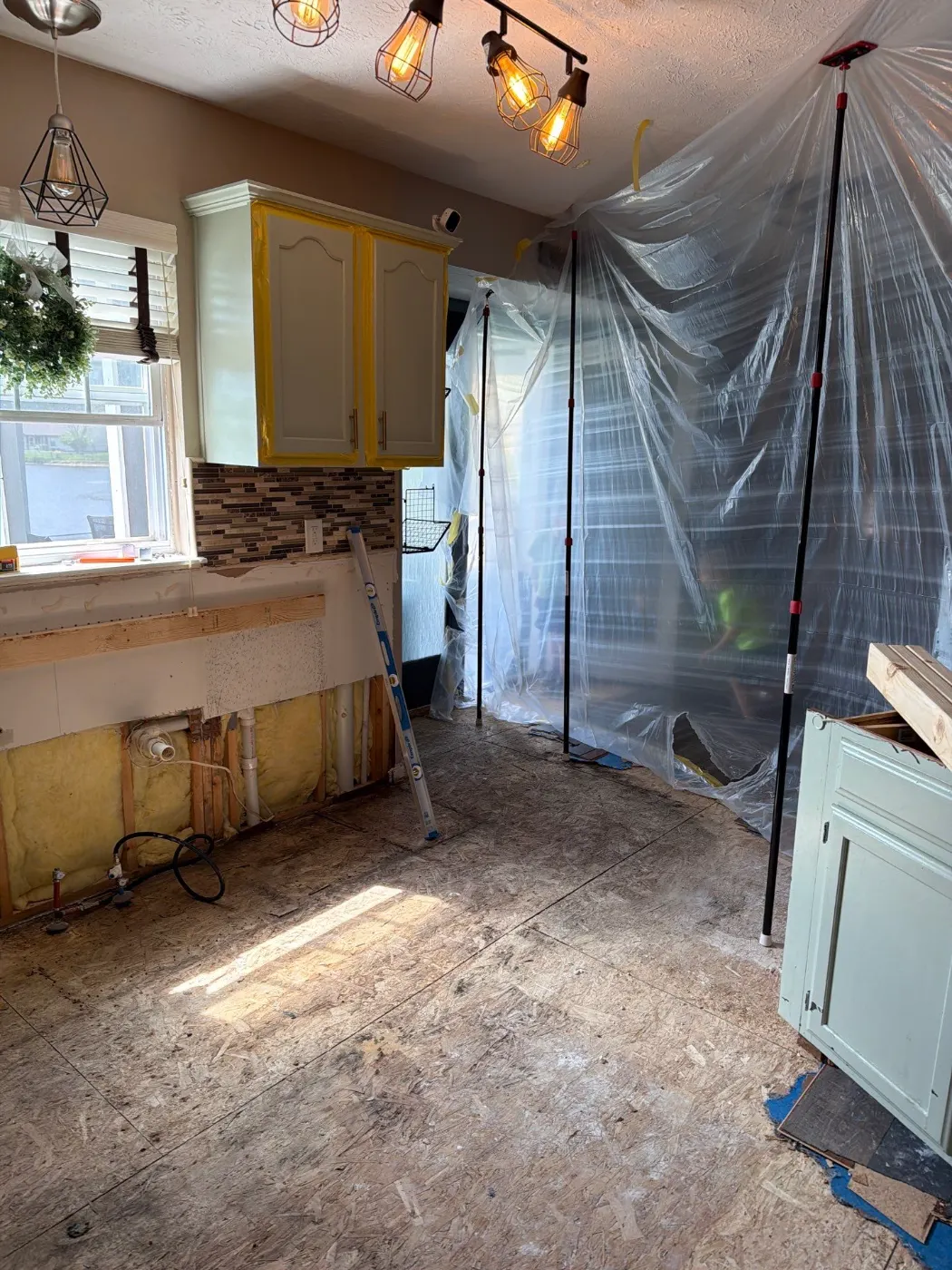
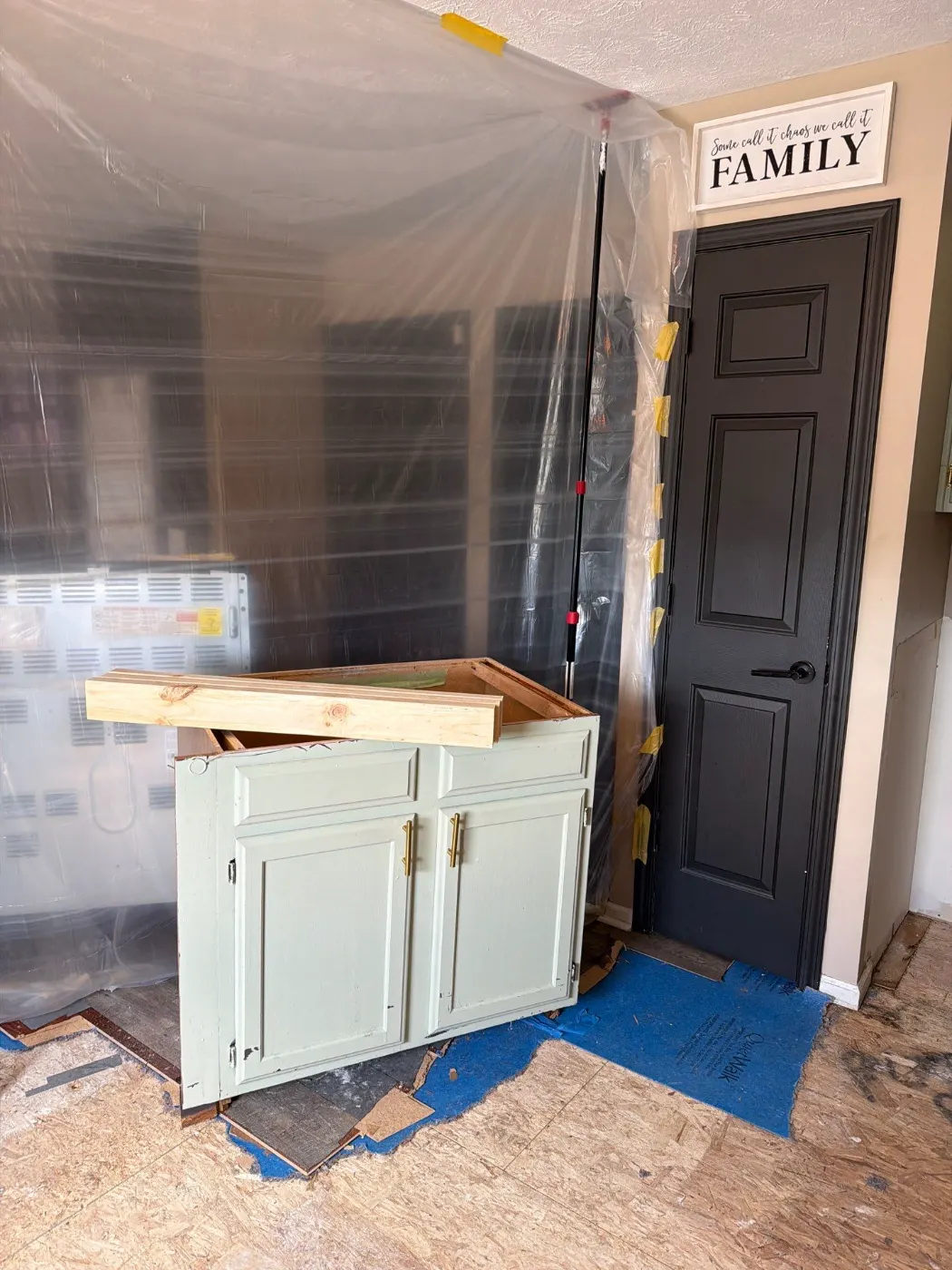
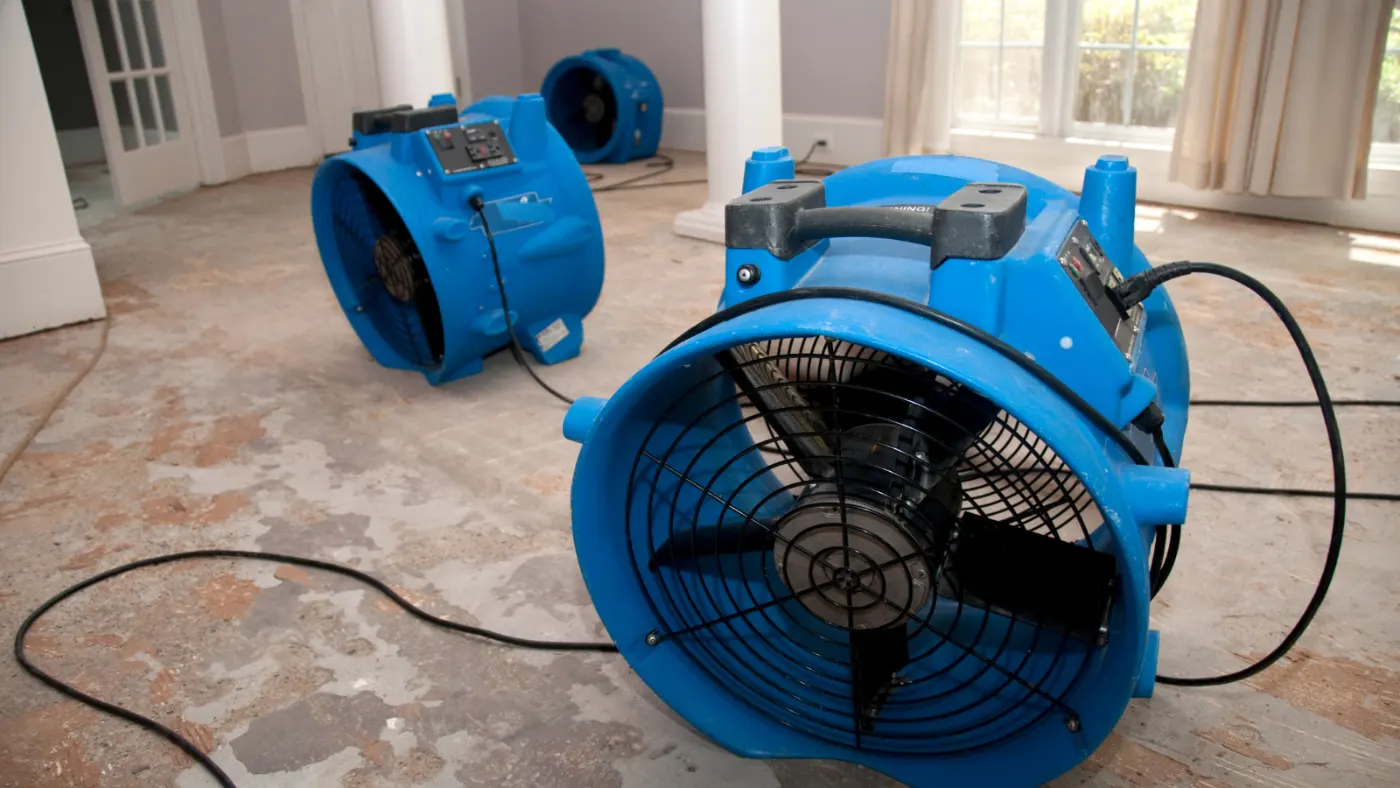
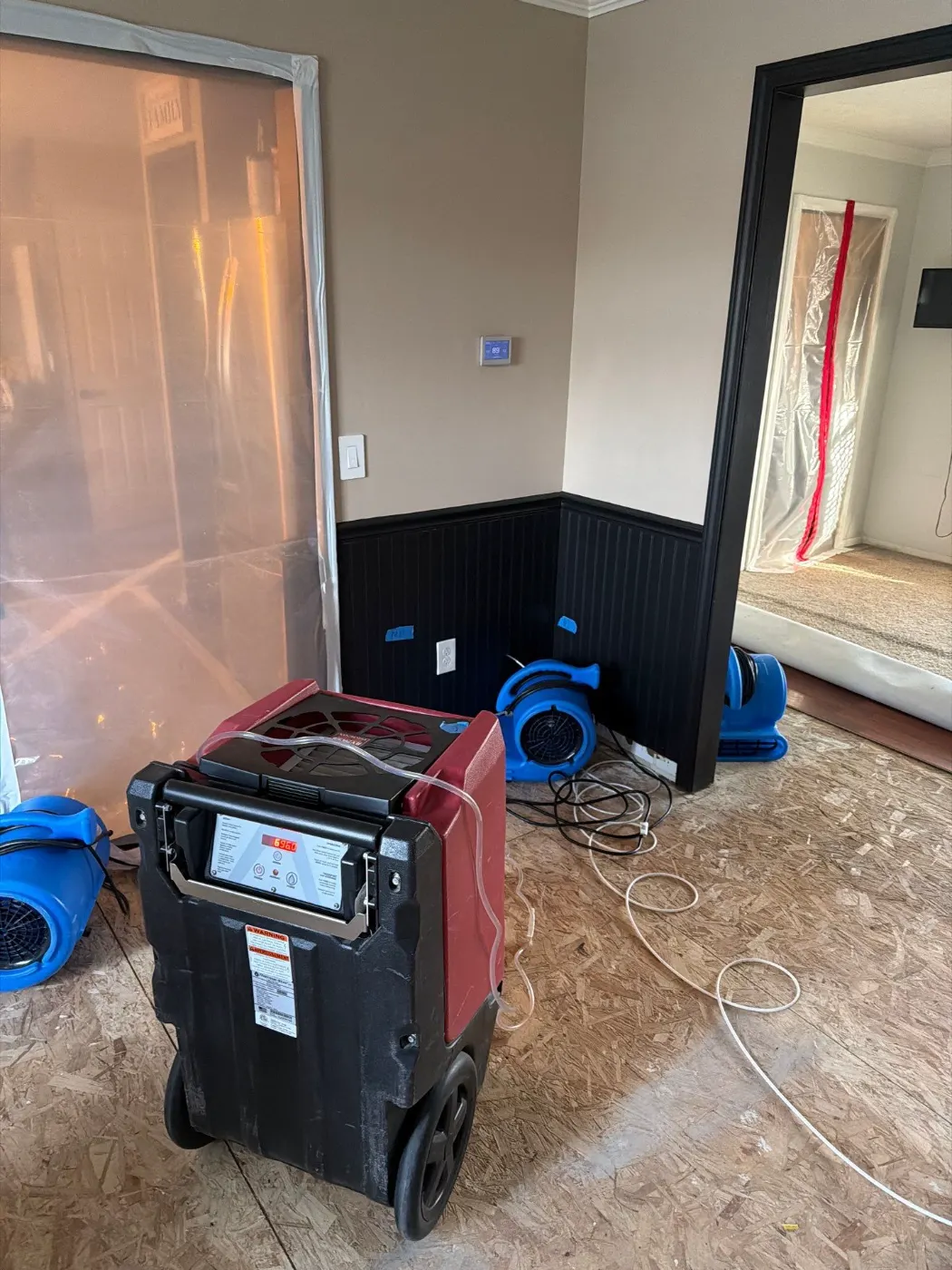
Photographs from real commercial water restoration jobs completed by our crew in Honey Creek and surrounding areas.
Commercial Water Restoration FAQ
Questions Honey Creek property managers ask us about commercial water restoration.
Guidance and Standards for Commercial Water Restoration
- The ANSI/IICRC S500 is the published standard for professional water damage restoration. The current edition is the Fifth Edition, 2021. IICRC S500 Standard
- EPA advises drying water damaged areas and items within 24 to 48 hours to prevent mold growth. EPA: A Brief Guide to Mold, Moisture and Your Home
Honey Creek Neighborhoods We Serve
We take commercial water restoration calls in every part of Honey Creek. Pick your neighborhood for local details.
Other Restoration Services in Honey Creek
Honey Creek Water Restoration handles the full scope of restoration work. Explore our other services below.
Water Damage Restoration in Honey Creek
24/7 emergency response. IICRC certified water restoration from extraction to full dry out.
Learn more →Basement Flooding in Honey Creek
Basement water emergencies handled fast. Extraction, drying, mold prevention.
Learn more →Sewage Cleanup in Honey Creek
Category 3 biohazard cleanup. Full containment, decontamination, structural restoration.
Learn more →Request Commercial Water Restoration
Reach Us Directly
Our team is available 24/7 for emergencies and ready to schedule inspections during business hours.
Need Immediate Help?
For active water or mold emergencies, call us directly. We are available 24/7.