Emergency Flood Response for Honey Creek
Honey Creek Water Restoration delivers water damage restoration in Honey Creek with fast, around the clock emergency response when burst pipes, sewage backups, or storm flooding hit your home. IICRC certified technicians handle every phase from extraction through reconstruction, and we coordinate directly with your insurance carrier.
A missed call gets returned within 15 minutes, even when we're busy with another homeowner.


Water emergency in Honey Creek? Honey Creek Water Restoration dispatches IICRC certified crews 24/7 for water extraction, flooded basement cleanup, burst pipe response, and complete structural drying, with every step documented for your insurance claim. Call (765) 517-7678.
- Services: water damage restoration, basement flooding, sewage cleanup, storm damage
- Service area: Honey Creek, Johnson County, IN and surrounding areas
- Response time: Same day for Honey Creek inquiries; 24/7 emergency service available
- Licensed and insured (License #RC21100059)
- Serving Honey Creek, IN since 2018
Schedule Your Free Damage Assessment
Inspections on Honey Creek homes are systematic, not a quick walk through. We move room by room, taking non penetrating meter readings on walls at multiple heights, pulling baseboards and trim where readings spike, checking subfloors at seams and transitions, lifting insulation in suspect cavities, and probing behind cabinets, under sinks, around water heaters, and at washing machine connections. Basement perimeters, slab joints, and rim joist areas get particular attention given the older plumbing and full basement construction common across Honey Creek. The tools include a thermal imaging camera to map hidden moisture behind finishes, a penetrating moisture meter to confirm what the thermal camera suggests, and a hygrometer for ambient temperature and humidity. The reason we map this thoroughly is simple: the most expensive problem in water restoration is moisture you missed, the kind that feeds mold colonies in Honey Creek homes 30 days after the visible water is gone.
I agree to be contacted by Honey Creek Water Restoration regarding my inquiry.
Spring in Indiana means saturated ground, and saturated ground means hydrostatic pressure against Honey Creek foundations. Seepage through walls and floor cracks turns finished basements damp, then wet, then damaged. Water intrusion cleanup paired with the drying to prove it protects resale value.
Antimicrobial treatment belongs in every category of water loss, and it's mandatory for gray and black water. Proper sewage cleanup in Honey Creek means containment, removal of contaminated porous materials, cleaning, sanitizing, and verification, in that order, with the right protective protocols throughout.
From the first call to the final walkthrough, one accountable crew handles your Honey Creek loss: extraction, drying, documentation, and coordination with your insurance carrier. No handoffs, no chasing subcontractors, no wondering who owns the outcome.
Payment Options That Work for You
A water loss is rarely a planned expense. Our lender partners offer terms that fit a range of budgets so you can move forward while insurance settles. Ask Honey Creek Water Restoration for current rates.
Pay for your project at a later time, but lock in today's pricing. Ideal for homeowners waiting on insurance settlements.
- No payments for 12 months
- No interest if paid in full
- Lock in current pricing today
Divide your project cost equally across 12 months with zero interest. Most homeowners choose this option for predictable budgeting.
- Equal monthly payments
- 0% interest for 12 months
- Simple, predictable budgeting
Spread your investment over up to 20 years with fixed equal payments. The right choice for larger projects or homeowners who prefer lower monthly amounts.
- Up to 20-year terms available
- Fixed equal payments
- Ideal for larger restoration projects
Subject to credit approval. Ask your project lead for current terms and promotions.
The Honey Creek Water Damage Restoration Scope
Honey Creek Water Restoration handles homes and businesses alike, and you get a photo report of the damage to keep.
Water Damage Restoration in Honey Creek
Serving Honey Creek: full scope residential water damage restoration covering extraction, structural drying, antimicrobial treatment, and reconstruction following IICRC S500 standards. Handles supply line breaks, appliance failures, slab leaks, and storm driven intrusion.
Learn moreBasement Flooding in Honey Creek
For Honey Creek addresses, basement water extraction, structural drying, and finish restoration for groundwater intrusion, sewer backups, and storm driven flooding. Includes moisture mapping of slab, cove joints, and lower wall cavities.
Learn moreSewage Cleanup in Honey Creek
Serving Honey Creek: category 3 sewage cleanup with full containment, contaminated material removal, antimicrobial application, and HEPA filtration. PPE and protocols follow IICRC S500 guidance for biohazardous water losses.
Learn moreStorm Damage in Honey Creek
In Honey Creek, restoration of water damage caused by storm driven intrusion, including wind driven rain entry, ice dam backups, and groundwater infiltration during severe weather. Includes extraction, drying, and reconstruction.
Learn moreCommercial Water Restoration in Honey Creek
For Honey Creek addresses, water damage restoration for commercial properties including offices, retail, and multi tenant buildings. Scope covers extraction, structural drying, and coordinated reconstruction with minimal business disruption.
Learn moreCommercial Flood Damage Cleanup in Honey Creek
For Honey Creek addresses, commercial flood cleanup for storm driven and groundwater flooding events. Includes water extraction, contaminated material removal, antimicrobial treatment, and structural drying across larger square footages.
Learn moreCommercial Sewage Cleanup in Honey Creek
Serving Honey Creek: commercial Category 3 sewage cleanup with full containment, biohazard disposal, antimicrobial application, and HEPA filtration. Protocols follow IICRC standards for contaminated water losses in occupied buildings.
Learn moreCommercial Mold Remediation in Honey Creek
For Honey Creek addresses, commercial mold remediation following IICRC S520 standards, including containment, controlled demolition of affected materials, HEPA filtration, antimicrobial application, and post remediation verification.
Learn moreCommercial Storm Damage in Honey Creek
In Honey Creek, commercial storm damage restoration covering water intrusion from severe weather events, including extraction, structural drying, and reconstruction of affected interior finishes and building systems.
Learn more
Local Expertise, Real Results
Certified technicians, logged readings, documented scopes. The boring details that decide whether a Honey Creek restoration job actually holds up.
Water restoration in Honey Creek runs through Honey Creek Water Restoration. Indiana licensed (#RC21100059). IICRC trained. Locally owned and operated. Active since 2018. The work covers what most Honey Creek water emergencies actually need: extraction, structural drying, mold control, sewage cleanup, and the reconstruction that closes the project.
Honey Creek Water Restoration serves Honey Creek homeowners across Vigo County, responding throughout the township and into Terre Haute, West Terre Haute, Youngstown, and the surrounding Wabash Valley communities. Water damage restoration is what we do, every day, which means the crew arriving at your door has seen the exact failure pattern in your home before. Our team is built from IICRC certified technicians working under a licensed and insured restoration company, not a general contractor that dabbles in water work. Whether your call comes from a subdivision near Haute City Center or a quieter street off South Seventh, the response is the same. Honey Creek deserves restoration crews who actually understand the work, not just sales.
Every Honey Creek job follows the IICRC S500 standard for water damage restoration, the published industry protocol for assessment, extraction, drying, and verification. Mold remediation work, when required, follows IICRC S520. That means we begin with moisture mapping using thermal imaging and meters, classify the loss by category and class, run controlled extraction, then set drying equipment based on structural drying calculations specific to your affected square footage. Antimicrobial application is used when contamination warrants it, and we verify materials have reached dry standard before any reconstruction begins. Technical rigor is the difference between a job that closes in a week and a mold problem that surfaces 30 days later.
Our Promise
Three commitments to every Honey Creek homeowner who calls us. First, fast emergency response, dispatched day or night through our 24/7 emergency line, with extraction equipment on the truck before we leave. Second, IICRC certified technicians trained to the S500 standard, a consistent crew of temp work. Third, a free on site inspection before any work begins, and full coordination with your insurance carrier if you have an active claim. Honest scope, plain explanations, and a crew that treats your home like the investment it is.
Why the Documentation Matters in Honey Creek
Careful work, full documentation, and pricing you see before the crew lifts a tool. The reason Honey Creek homeowners call us back when something else goes wrong.
Around the Clock Emergency Response
Water damage does not wait for business hours, and neither do we. Our 24/7 emergency line dispatches crews to Honey Creek with extraction equipment already loaded, so drying setup begins the same visit. Fast response matters because every hour without extraction expands the affected materials and the eventual repair scope.
IICRC S500 Certified Crews
Every restoration project follows the IICRC S500 standard, the published protocol for water damage assessment, Category determination, structural drying, and verification. In practice that means meter readings logged daily, materials confirmed dry before reconstruction, and antimicrobial applied only where contamination warrants it. Certification is the floor, not the ceiling.
Mitigation Through Rebuild
Honey Creek homeowners get one company from the first extraction through the last coat of paint. Drywall, insulation, flooring, trim, cabinetry, and finish work are handled under the same project, with the same point of contact. No gap weeks where the home sits in demolition waiting for a separate general contractor to schedule you in.
Insurance Documented Properly
We work with your insurance carrier from day one, with photo and video documentation, written moisture maps, and mitigation justification per industry standard. Most major insurance carriers expect the paperwork structured a specific way, and a clean claim file is the difference between a covered loss and a denied scope. We do that part for you.
Real Jobs. Real Results.
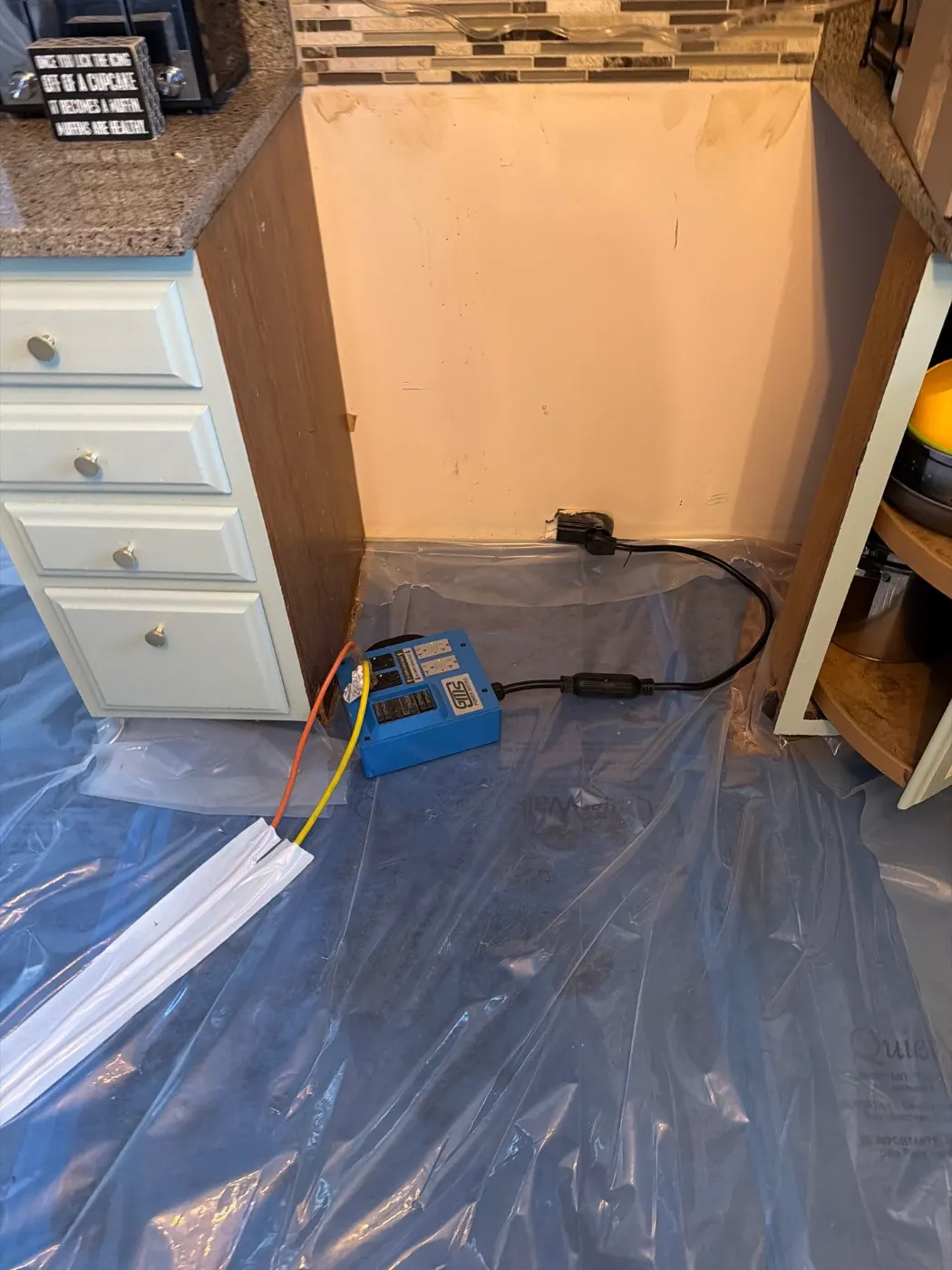
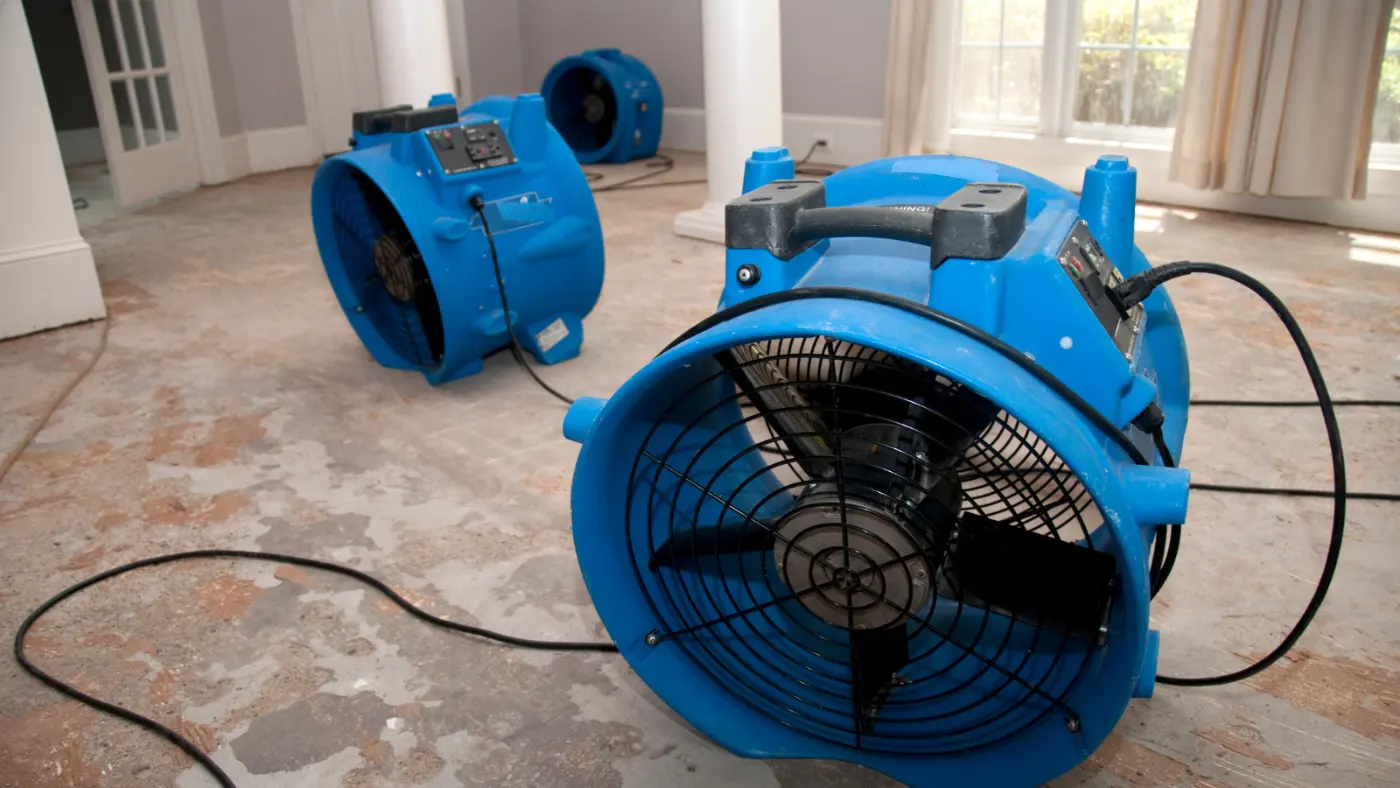
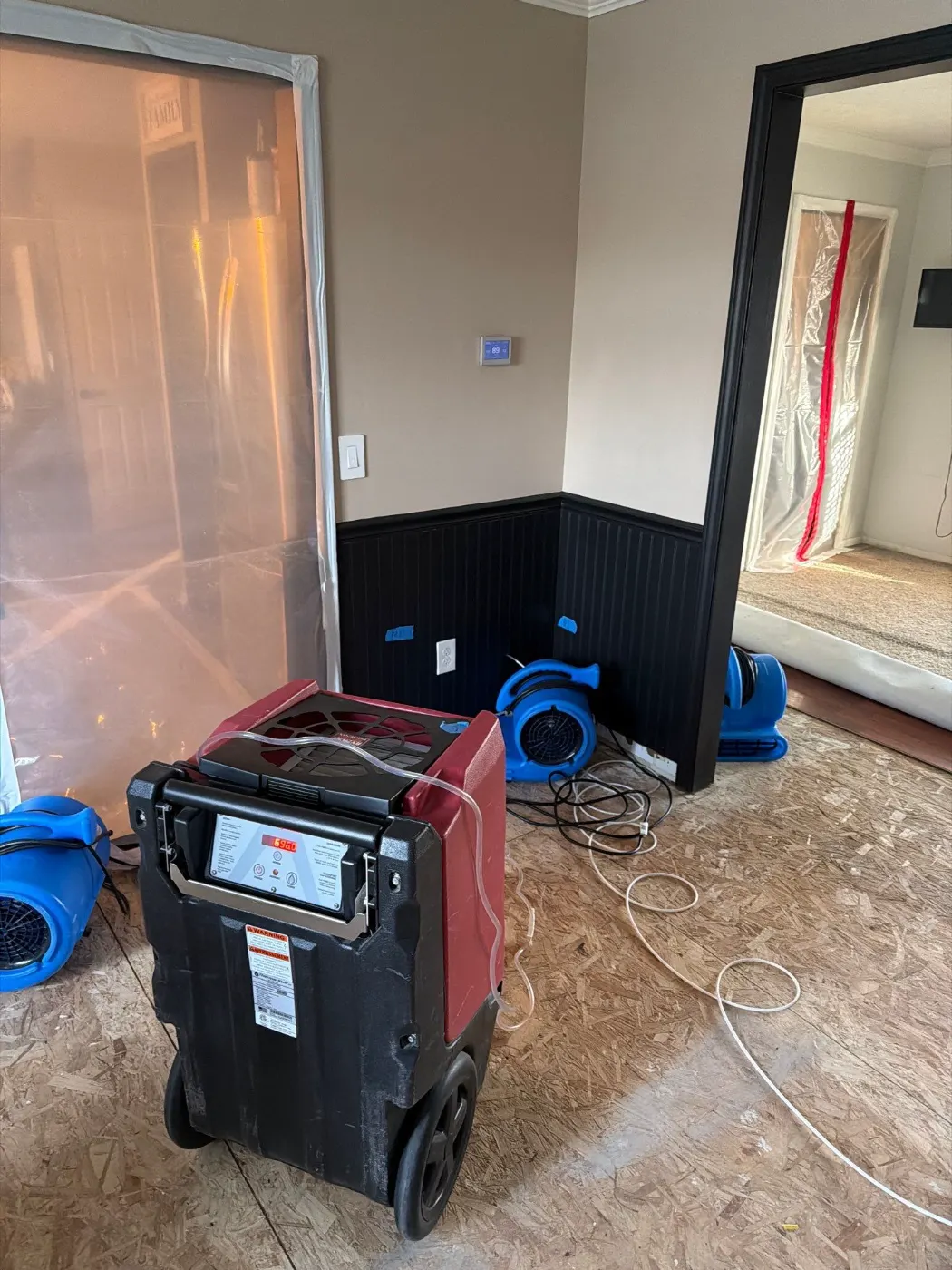
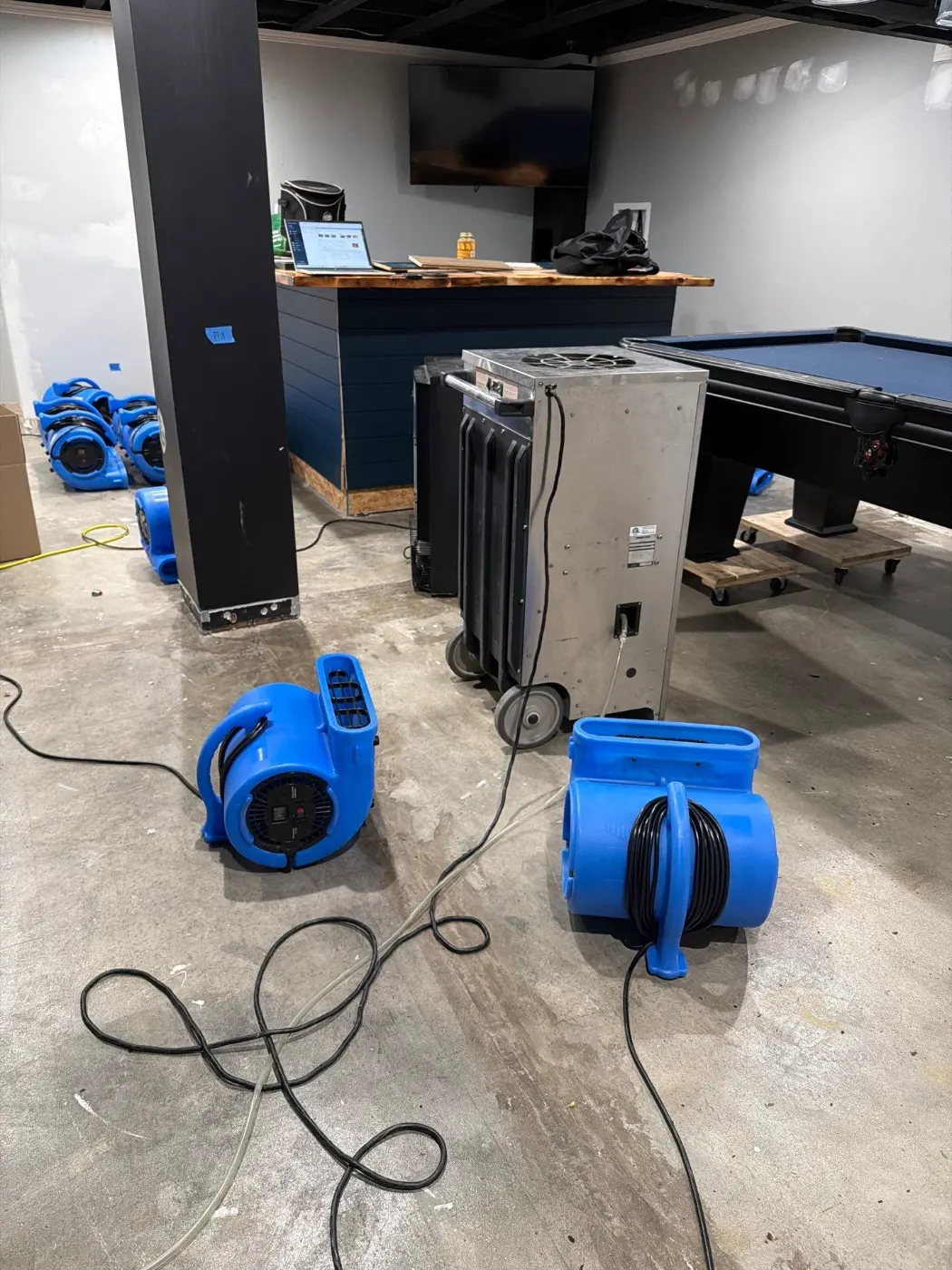
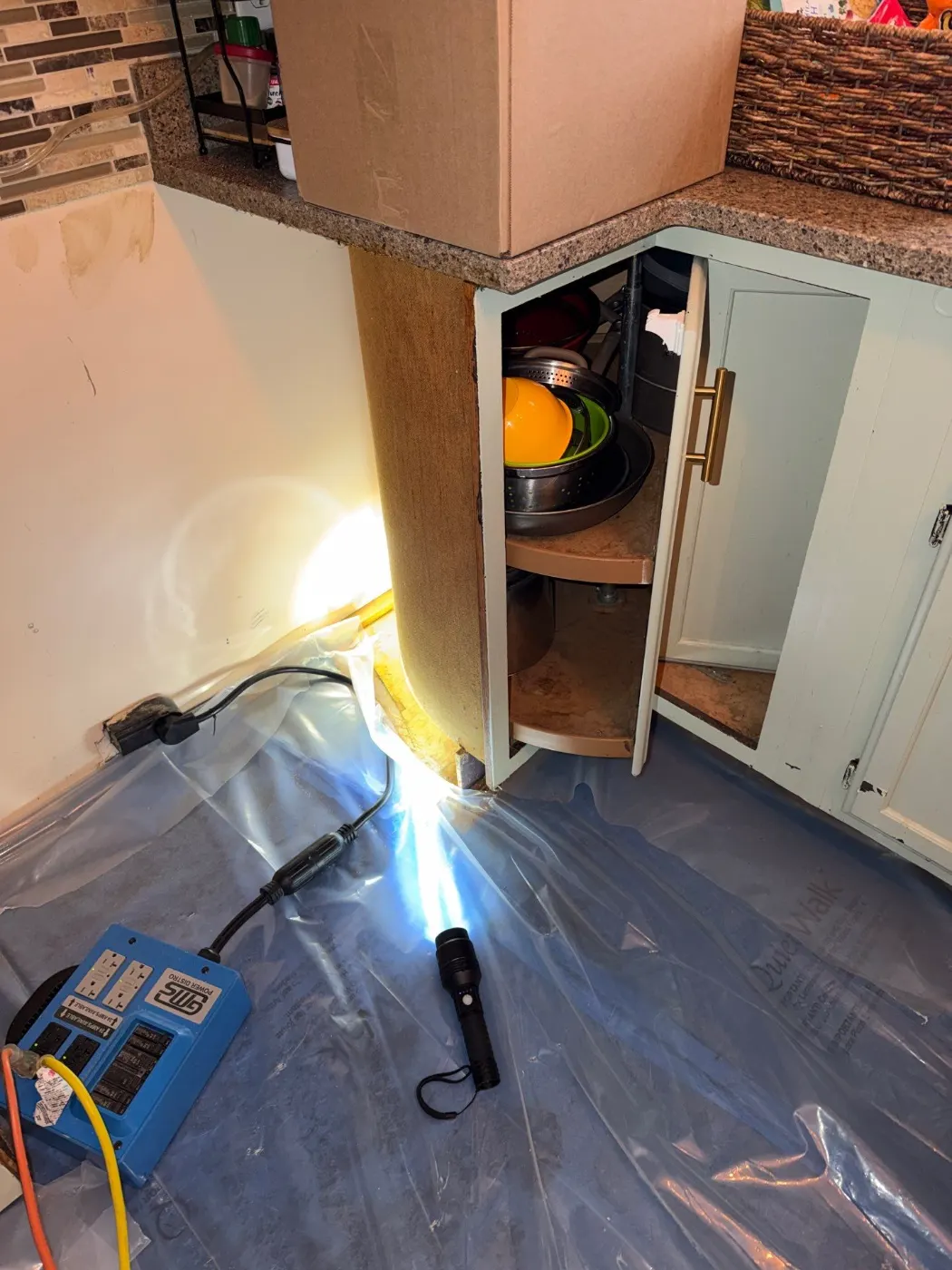
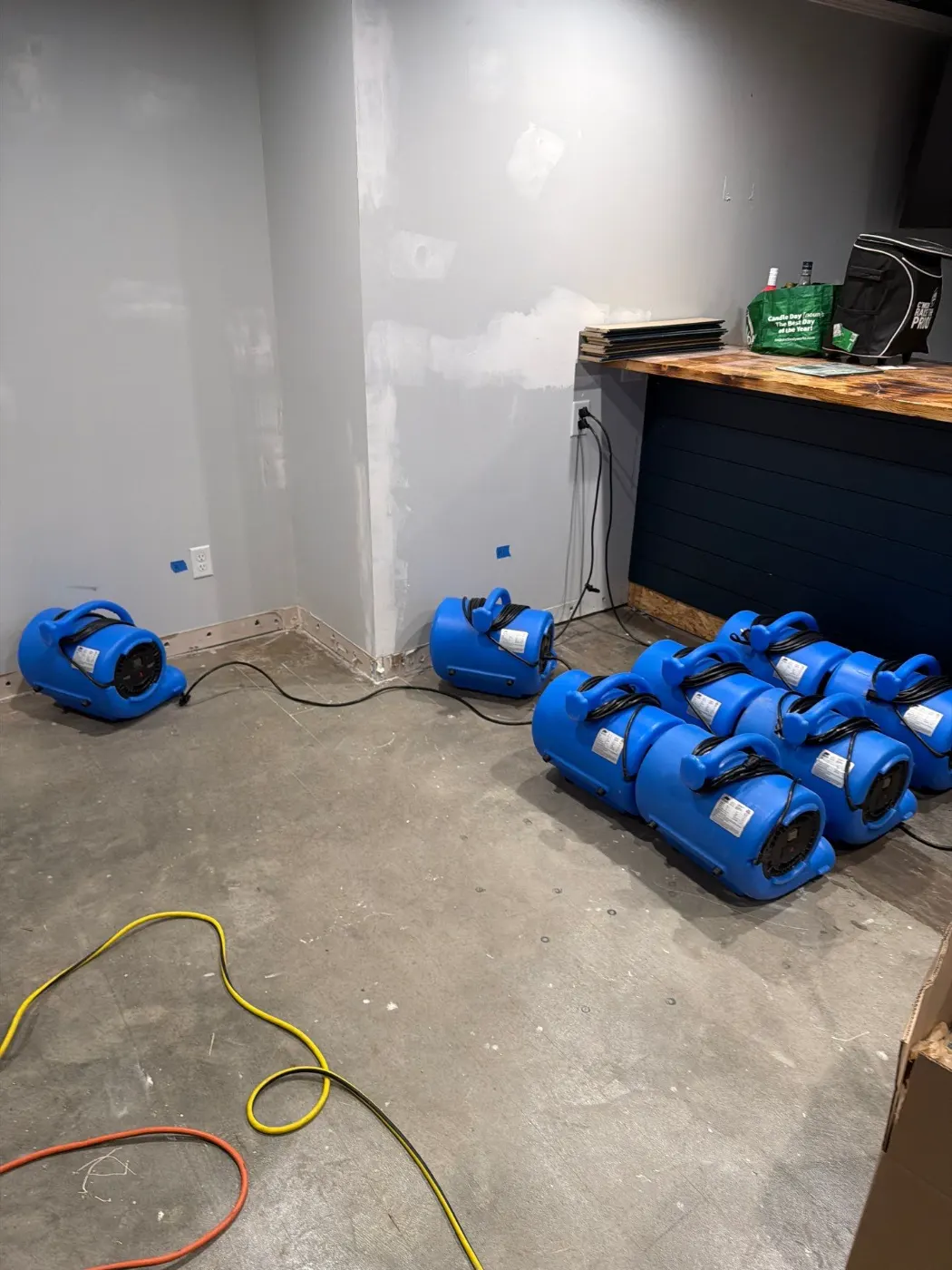
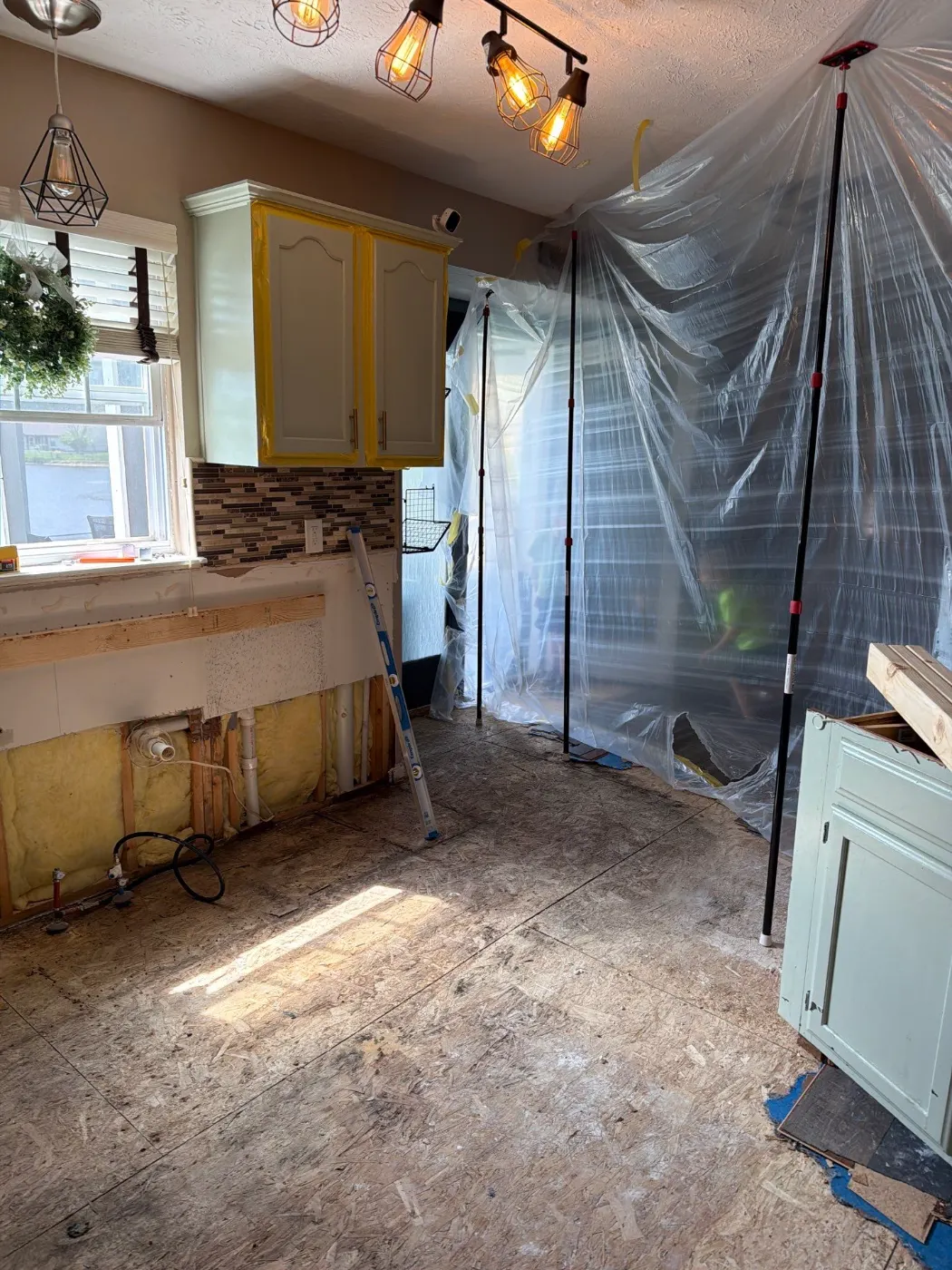
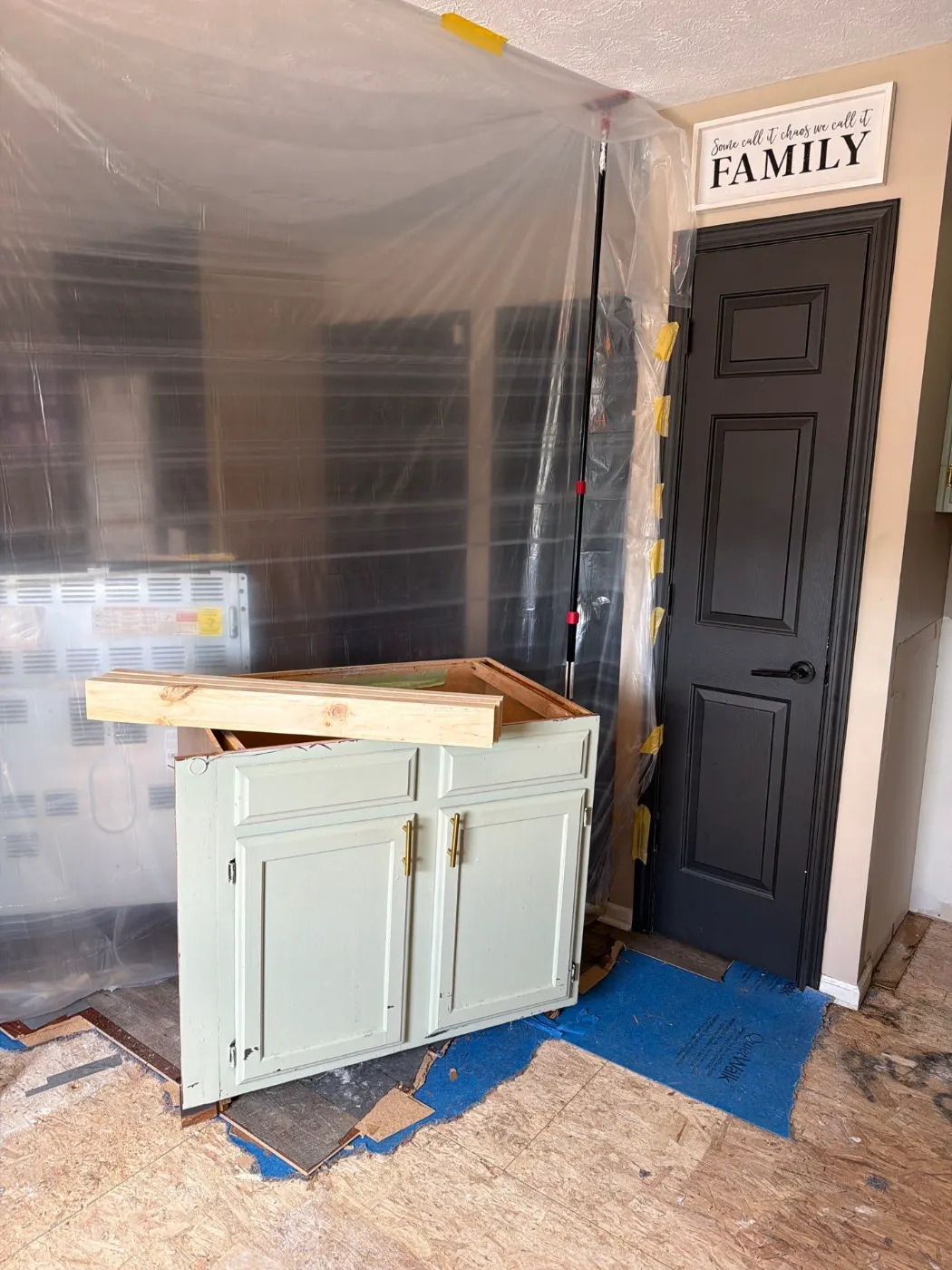
Real water damage projects from Honey Creek homes and properties across Vigo County. Basement extractions, ceiling repairs from upstairs leaks, sewage cleanups, and full reconstructions after storm driven flooding.
Our Process in Honey Creek Water Emergencies
Phase one is moisture assessment and Category determination, which sets the rest of the project. On arrival in Honey Creek we walk the affected space with thermal imaging and meters, identify the source (supply line failure, dishwasher or washer hose, sewer backup, storm intrusion, slab leak), and classify the water as Category 1, 2, or 3 per IICRC S500. The full damage footprint is mapped before any drying equipment goes down, so the scope reflects reality rather than a guess. This phase typically takes 1 to 2 hours and produces the documentation your insurance carrier will need.
Phase two is insurance coordination and documentation. Before we run a single extractor we photo and video every affected room, log meter readings into a written moisture map, and prepare a scope of work that ties each line item to the IICRC standard and the observed damage. We then contact your adjuster directly, walk through the mitigation justification, and confirm the scope matches your coverage. Most Honey Creek homeowners never see this paperwork in detail, which is the point. We handle the back and forth so you focus on your family.
Phase three is drying execution and controlled reconstruction. Air movers and dehumidifiers are placed using structural drying calculations matched to the affected square footage, and readings are logged daily until materials hit dry standard, meaning moisture content matches unaffected reference points. Demolition is controlled and limited to materials that cannot be dried in place. Then reconstruction follows: drywall, insulation, flooring, paint, trim, and finish carpentry to bring the home back. The same project manager carries the file from first call to final walk through across every Honey Creek job.
Rapid Emergency Dispatch
Our 24/7 line gets a certified technician moving with extraction equipment, dehumidifiers, and air movers already on the truck. No second trip to load gear after assessment. Drying setup happens during the first visit whenever the source is contained, which compresses the overall timeline.
Category Determination per S500
Water is classified Category 1 (clean supply line, appliance overflow), Category 2 (gray water from dishwashers, washing machines, toilet overflow without solids), or Category 3 (sewage, floodwater, long standing groundwater). Each Category drives different removal, antimicrobial, and PPE protocols. Meter readings and the written assessment go into your file.
Insurance Carrier Coordination
We work with your insurance carrier on Honey Creek claims, providing photo documentation, moisture maps, and scope justification tied to industry standards. Adjusters get what they need in the format they expect, which reduces back and forth and keeps your claim moving. Invoicing stays transparent.
Verified Dry Before Rebuild
Daily monitoring continues until affected materials match the moisture content of unaffected reference areas. Only then do we sign off on the mitigation phase and move into reconstruction. Rebuilding over materials that are still wet is how mold problems get sealed inside walls, and we do not do that.
Top Causes of Honey Creek Water Emergencies
Slab Leak Under the Floor
Water under a slab has to surface somewhere, and it comes up at the perimeter, at expansion joints, and through flooring adhesive. Carpet at the wall goes damp, wood cups, and the base of the drywall wicks it up from below.
Sink Drain and P-Trap Leaks
Under a kitchen or bath sink the joints are hand tight, the trap collects everything, and a slip nut backed off a quarter turn drips on every use. The cabinet floor swells, the base panel delaminates, and the wall behind it stays damp.
Downspouts Discharging at the Foundation
Extensions are the cheapest prevention there is. Get the discharge several feet out and downhill, keep the grade sloping away from the house, and most of the seepage calls stop coming.
Ice Dam Meltwater in the Wall
Wall cavities wet by ice dam water hold that moisture behind finished surfaces where nothing evaporates. We map the wet area, open only what has to open, and dry the cavity to standard rather than hoping the wall handles it on its own.
Refrigerator Ice Maker Line
Plastic ice maker tubing goes brittle with age and splits at the saddle valve or the compression fitting. A slow drip behind a refrigerator can run for months, and in Honey Creek homes over hardwood it usually announces itself as a raised seam three feet away.
Sump Pump Failure
The single most common call we get from Honey Creek homeowners. Power outage during a storm, pump motor burns out, or the float switch fails. By the time you notice, the basement has 2 to 6 inches of water.
What to Do While You Wait for a Water Damage Crew in Honey Creek
If you just found water in your Honey Creek home, shut it off at the source first and keep everyone away from anything electrical. Then go through the rest of these steps in order while our crew heads your way.
1. Stop the source
For a toilet or a washing machine, close the small shutoff valve behind it. If the leak is bigger, or you can't tell where it starts, close the main valve for the whole house and leave it off until our crew checks the source.
2. Unplug what you can reach safely
If a lamp or a space heater is plugged in near the water and the floor around it is still dry, unplug it and carry it to a dry room. Leave anything that's sitting in water exactly where it is for the crew.
3. Keep kids and pets out of dirty water
If a toilet or floor drain backed up, treat that water as dirty and keep children and pets away from it. Wear rubber boots and gloves if you have to walk through it, and wash your hands well afterward.
4. Move what you can't replace
Carry keepsakes and important papers to a dry room upstairs. Then pick up anything sitting on a wet floor, starting with cardboard boxes and anything made of paper, since those soak up water quickly.
5. Lift furniture off wet carpet
Slide aluminum foil or plastic lids under the legs of wood furniture so stains don't bleed into the carpet. Pull up throw rugs and hang them somewhere dry, since they hold water against the floor underneath.
6. Hold off on tearing anything out
Leave soaked drywall and flooring in place until our crew has measured it. Some materials dry where they are, and the readings tell us which ones can stay, so early demolition can mean replacing things that could have been saved.
7. Let the air reach wet spots
In rooms with clean water, open closet and cabinet doors so air reaches the wet spots. On a hot, sticky day, keep the windows closed and leave the air conditioning on, since it pulls moisture out of the air.
8. Make the call early
Waiting until morning gives the water all night to soak into floors and walls. Our line is open 24/7, so call once the water is shut off and everyone is safe.
Call us at any point on this list if something feels unsafe, and the crew will handle the rest when they arrive.
Three Simple Steps
Every job starts with a phone call and ends with readings that show the house is dry.
Emergency Response
Water spreads while you decide, and that is the only urgency here. Our line runs 24/7, and dispatch to your home follows within 2 hours. The load out is built for the worst version of the call.
The Moisture Map
Photo, video, and meter logs go to the adjuster in one package. Missing moisture on day one is the expensive mistake. The written assessment exists before the first piece of equipment runs.
The Dry Out
We do not pull equipment until the meters say dry, generally 3 to 5 days. Antimicrobial goes on where the Category warrants it, not by default. You get the readings, not just our word.
What You'll See in Your Water Damage Photo Report
From the first walkthrough, our crew documents the damage with photos and moisture readings. That record becomes your photo report, and it's how you can see what's happening inside your home from your living room.
Where the water came from
The report starts at the source. If a supply line failed or a drain backed up, the crew photographs the part that failed and where it sits, so you know exactly what needs fixing before the water can come back.
Water you can't see
Water often ends up somewhere out of sight, like under cabinets or inside a wall cavity. The report shows those spots with readings and photos so nothing gets closed back up while it's still wet.
Pictures you can keep
Every photo in the report comes from our crew, taken on site during each visit. You keep a copy of the full set, which is handy if you sell the house later and a buyer asks about the water damage.
What has to be removed
When a material is too wet to save, the report says so and shows the readings and photos that back it up. You'll know the reason for every cut before the crew makes it.
The drying log
The report keeps a running log of the drying, with the readings from each visit and notes on the equipment in each room. It's the easiest way to see how close your home is to dry.
Questions are welcome
Ask about anything in the report that doesn't add up. The crew can take a new reading while you watch and explain what it means for that room, and seeing a dry wall next to a wet one makes the numbers easier to follow.
Sharing the report
The report is yours to share with anyone you choose. We document damage with a photo report and walk you through what we found, so you can decide with your insurance company, and your own policy spells out what it covers.
Call us when you find water, and the photo report starts on our first visit to your home.
What to Ask Before You Hire in Honey Creek
Ask any restoration company in Honey Creek these questions before you sign a work authorization.
Who will be working in my home?
Ask whether the crew works for the company you called or for a subcontractor, and who's in charge on site each day.
How will you show me it's dry?
Ask for moisture readings on the first visit and the last one, so you can see the numbers reach dry standard.
Can I see an itemized estimate?
Ask for every line item in writing. Many insurers price water losses in Xactimate, so an estimate in that format is easier for an adjuster to review.
Does my policy require a certain company?
Ask your adjuster before you sign anything, and read the work authorization so you know what you're agreeing to.
What happens if you find mold?
Ask how mold behind walls or under floors gets handled, and whether that work is priced apart from the drying.
Who handles repairs after drying?
Ask who replaces drywall, flooring, paint and trim once the structure is dry, and whether one company can do both stages.
Indiana Weather Drives Restoration Calls Year Round
Indiana weather drives water damage calls in Honey Creek across three predictable patterns. Heavy spring rains saturate Wabash Valley soils and push groundwater through basement walls. Summer thunderstorms overload sewer laterals and back water through floor drains. Winter cold snaps split supply lines in crawl spaces and rim joists. Each pattern has a different restoration path.
Spring Saturation Flooding
After weeks of spring rain across the Wabash Valley, Honey Creek soils saturate and hydrostatic pressure pushes groundwater through foundation cracks, cove joints, and basement window wells. Homes with older waterproofing membranes feel it first. When called in we extract standing water, set commercial dehumidifiers, and dry the slab and lower walls before mold takes hold.
Winter Pipe Bursts
Indiana freeze thaw cycles hammer Honey Creek homes from December through February, and supply lines in unconditioned crawl spaces and rim joist areas split when temperatures crash. The leak often starts at 2 AM and runs for hours before discovery. We arrive, locate the source, extract, and begin structural drying the same visit.
Summer Storm Runoff
Heavy summer thunderstorms in Vigo County overload yard drainage and sewer laterals, which sends water backing into basements through floor drains and laundry standpipes. When the water carries sewage, the job becomes Category 3 with full containment, controlled demolition of porous materials, antimicrobial application, and HEPA filtration during the work.
Ice Dam Backups
When snow accumulates on Honey Creek roofs and refreezes at the eaves, meltwater backs up under shingles and finds its way into ceilings, exterior walls, and attic insulation. The leak shows up as a brown ring on the bedroom ceiling. We trace the moisture path with thermal imaging, dry the cavity, and rebuild the affected finishes.
Where Our Trucks Go in Honey Creek
The neighborhoods below are where we answer calls around Honey Creek, and each one opens to notes on its homes.
Where we respond near Honey Creek
Water damage calls from Honey Creek and the closest towns go to the same 24/7 dispatch.
What Makes Honey Creek Water Losses Different
The Honey Creek specifics that shape every job we take here.
About Honey Creek Homes
Honey Creek Township, Vigo County, Indiana is the most characteristically suburban of Vigo County's twelve townships, with the bulk of residential development occurring from the post-WWII era through the 1990s and early 2000s. Homes from the 1950s,1970s typically have copper or aging galvanized plumbing, while homes built in the 1980s,2000s generally transitioned to copper and later PEX supply lines. The township is dominated by owner occupied detached single family homes in a dense suburban pattern, with many residences featuring full or partial basements common to Midwest suburban construction of the 1960s,1990s era. Crawl space and slab on grade construction are also present, particularly in newer subdivisions developed closer to U.S. Route 41.
Where We Work in Honey Creek
We cover homeowners across Honey Creek near Haute City Center (formerly Honey Creek Mall) at 3401 South US Highway 41, Honey Creek Middle School at 6601 South Carlisle Street, Terre Haute South Vigo High School, East Springhill Drive, South Seventh Street, Interstate 70 Exit 7, Durham Cemetery, Youngstown (unincorporated community).
Surrounding Areas We Serve
Our crew also covers Terre Haute, West Terre Haute, Allendale, Youngstown, Brazil (Clay County), Rockville (Parke County).
Recent Weather Patterns
In June 2008, Terre Haute received 6.83 inches of rain over two days, roughly three times the monthly average, causing Honey Creek to overflow and flood homes in Southwood subdivision and businesses near South Seventh Street and East Springhill Drive. The Wabash River also crested at near record levels in February 2008 after months of saturating rain across the Wabash Valley, compounding regional water intrusion risk; the Honey Creek Vigo Conservancy District subsequently completed 13.3 miles of levee along Honey Creek, Thompson Ditch, and Jordan Ditch in 2012 to mitigate future events.
What Our Crew Sees in Honey Creek
Honey Creek Township sits in the Wabash Valley, a region with documented creek overflow and floodplain risk; the Honey Creek Vigo Conservancy District was managing 1,709 property parcels under flood hazard designations as of its 2023 FEMA map revision effort, underscoring how many homes here carry meaningful basement flooding and groundwater intrusion exposure. The area's substantial stock of mid-20th century homes presents elevated risk of galvanized pipe corrosion and sewer lateral deterioration, which can compound water damage from both internal plumbing failures and storm driven sewer backups. Indiana's freeze thaw cycle through winter and early spring creates recurring burst pipe exposure in older homes with less insulated crawl spaces and rim joist areas, particularly in subdivisions developed before modern energy codes.
The Honey Creek Area
Honey Creek Township has a population of approximately 17,366, with a median household income of roughly $42,065 and a median family income of approximately $54,753. The township skews younger, with many young professionals and owner occupied households giving it a stable, family oriented suburban character.
The Work Behind a Dry Out in Honey Creek
Three phases, each with its own standard and its own paperwork.
Emergency response trucks roll into Honey Creek loaded with commercial water extraction equipment, commercial dehumidifiers sized to the affected square footage, professional air movers, calibrated moisture meters, and thermal imaging cameras. Extraction begins promptly on arrival, and structural drying setup goes in the same day on most Category 1 and Category 2 losses. Daily monitoring follows, with logged meter readings tracking progress until materials reach dry standard. The homeowner experience is contained and predictable: work zones are isolated, plastic protection goes up over unaffected areas, walkways are covered, and you get a clear day by day picture of what to expect. We answer questions in plain language, not industry jargon, and the same project manager carries your file from the first call through the final walk through.
Specialized containment applies to Category 3 losses (sewage backups, floodwater, long stagnant water with biological contamination) and to full mold remediation projects performed under IICRC S520. The containment build is serious: 6-mil plastic barriers floor to ceiling, sealed entry and exit points, negative air machines pulling contained air through HEPA filtration before exhaust, and full PPE for technicians including Tyvek suits, P100 respirators per S520 guidance, nitrile gloves, and eye protection. Contaminated porous materials are cut, bagged, and disposed of per protocol. Remaining structural materials receive antimicrobial application, and when warranted we close with post remediation air sampling for verification. This is the phase where IICRC certification stops being a logo and starts being the reason your family does not develop respiratory issues six months later.
Reconstruction is the phase where most restoration jobs go sideways, because most companies hand off after drying to a separate general contractor. That means two crews, two schedules, two billing cycles, and weeks of gap time where your home sits in demolition. We handle reconstruction with the same project: drywall hung, taped, mudded, sanded, primed, painted; flooring replaced (carpet and pad, vinyl plank, hardwood refinish, tile reset); trim and baseboards reinstalled; cabinetry repaired or replaced; doors rehung; electrical and plumbing finish work coordinated with licensed trades. One project number from the first emergency call through the final walk through, one project manager you actually know by name, one schedule, and one final invoice. That is the structural difference.
What Happens During the Days Your Honey Creek Home Is Drying
You can usually stay home in the days after extraction while the equipment pulls moisture out of your floors and walls. Your part is mostly keeping things the way the crew set them up, and the notes below cover what homeowners ask about during those days.
Warm rooms are normal
The rooms being dried often feel warmer than the rest of the house, since dehumidifiers give off heat as they work. That warmth helps the drying, so leave the thermostat where the crew asks.
Leave the settings to the crew
Most units have their own switch or a small control panel. The crew sets those for your rooms, so leave them as they are and let the crew make changes on their next visit.
The thermostat setting
Drying moves faster in a warm room, so the crew may ask you to keep the heat at a normal setting even in mild weather. Ask the crew before you turn the heat or the air conditioning way down.
Watch for tripped breakers
With several machines running, a breaker can trip, especially if you plug a hair dryer or a space heater into the same circuit. Reset it, then call us if it keeps happening.
Safe paths through the house
Equipment and cords can turn a familiar hallway into a tripping spot, especially at night. Leave a light on along the path you use most, and keep small kids away from the units while they run.
Let the crew in each day
The daily check takes a short while, and it decides when the equipment can come out. Plan for someone to be home, or work out a time with the crew so they can get to the wet rooms.
Keeping moisture down
EPA puts it this way: the key to mold control is moisture control. In practice that means drying your home quickly and keeping the humidity down once the equipment is gone.
What happens after drying
Once everything reads dry, the crew pulls the equipment and you get the final readings in your photo report. Any drywall or flooring that came out can be put back after that, and the crew will talk through the rebuild with you.
Questions during the dry out are normal, so call our line and we'll get you an answer from the crew.
Water damage pricing in Honey Creek
Mitigation ranges calibrated to the Honey Creek market. Final pricing depends on water volume, materials affected, and IICRC Category.
Honey Creek Water Restoration is powered by Indy Roof & Restoration
One company stands behind this page: Indy Roof & Restoration, with its reputation on every job. Indy Roof & Restoration has served central Indiana since 2018 and knows Honey Creek and the neighborhoods around it street by street. 2,380+ Google reviews are the record Indy Roof & Restoration brings to every job from this page.
Licensed and insured · License #RC21100059
Credentials include BBB A+ Rated · Owens Corning Preferred Contractor · Malarkey Certified Contractor. Outlets like FOX59, WISH TV, and RTV6 have told their story. Giving back is standard practice, like Habitat for Humanity, Toys for Tots, the annual school supply backpack drive, and local youth sports and school programs across central Indiana.
The Questions That Come Up on Every Honey Creek Job
These are the questions Honey Creek homeowners bring up most when they call us about water.
Expert Honey Creek Restoration Crews Available Now
Water spreading through your Honey Creek home right now, sewage in the basement, or a ceiling stain growing by the hour? Call our 24/7 emergency line for fast dispatch, free on site inspection with no obligation, and full coordination with your insurance carrier.