Basement Flooding in Honey Creek, IN
Basement flooded in Honey Creek? A crew dispatches within two hours with pumps, meters, thermal imaging and containment.
For Basement Flooding in Honey Creek, Honey Creek Water Restoration brings the equipment, the certifications, and the paperwork: 24/7 response, written scopes, and insurance claim support. Call (765) 517-7678 for dispatch.
- Service: Basement Flooding for Honey Creek homeowners
- Service area: Honey Creek, IN and surrounding areas
- Response time: Same day emergency response for Honey Creek; 24/7 availability
- Licensed and insured (License #RC21100059)
- Serving Honey Creek, IN since 2018
Basement Flooding Cleanup in Honey Creek
We handle basement flooding cleanup throughout Honey Creek, from standing water on the slab to drywall that's wicking it up.
Basements Here
Most Honey Creek homes went up in the 1990s and 2000s, and full basements are common.
Where the Water Comes From
Homes near the creek of the same name and the Wabash River face added flood risk after heavy rain. In heavy storms, sewer water can also back up through floor drains, and that turns the job into sewage cleanup.
Our crews work all over Honey Creek, from Youngstown to the streets near Interstate 70 Exit 7 and Durham Cemetery. Nearby, we also pump out basements in Brazil and Terre Haute.
Expert Basement Flooding for Honey Creek Homeowners
You ran a shop vac and set up box fans, the floor in your Honey Creek basement feels dry to the hand, and the meters still read wet. Water that spent a day in the slab, the block cores and the bottom of a stud wall doesn't come out with surface airflow. Honey Creek Water Restoration brings dehumidification sized to the cubic footage of the space and cavity drying for the walls, and a crew dispatches within two hours.
Basements dry differently from the rest of a house, and Honey Creek Water Restoration plans for that in Honey Creek. Concrete, block and mortar give up water slowly, so drying a basement takes more dehumidifier capacity and more days than the same square footage upstairs. The crew reads the slab, the bottom plate and the walls each day, and the equipment stays until those numbers reach the dry target.
Water from outside leaves silt on the slab, and silt holds moisture against the floor long after the water is gone. Before drying starts, the crew shovels and vacuums the sediment out of your Honey Creek basement and cleans the surfaces that stay. Mud left behind sours quickly in a closed space, so this step comes before the dehumidifiers go in.
If you carry flood insurance as well as a homeowner policy, each one has its own rules for basement water, so check both or ask your agent. Honey Creek Water Restoration documents the water source in your Honey Creek basement the same way either way, with photos, readings and an itemized scope. You keep the record and decide with your insurance company what to file and where.
A damp spot that keeps returning to the same corner of your Honey Creek basement is worth a call to Honey Creek Water Restoration while the area is still small. The crew reads how far the moisture has traveled behind the paint and the floor covering, and you'll know where things stand before the next heavy rain.
Signs You Need Basement Flooding Cleanup
If you notice any of these in your Honey Creek home, schedule a free inspection before the issue worsens.
The dehumidifier bucket filling far faster than it used to
Fine silt or mud left in a film across your Honey Creek basement floor after the water went down
Your water heater is leaking at the base, with water spreading across the Honey Creek basement floor
A rust line on metal shelving legs, or on the base of the water heater and furnace
White chalky crust on the block or poured wall where water has been moving through the masonry
Standing water across the slab, or pooled at the low spot of the floor near the drain
A musty, earthy smell that hits you as soon as you open the door at the top of the stairs
Steel support columns in your Honey Creek basement rusting at the base where they meet the slab
Water on the Honey Creek basement floor in early spring while the snow melts, even with no rain
Puddles that show up in your Honey Creek basement after heavy rain and dry out before anyone sees them
How Honey Creek Water Restoration Handles Basement Flooding
We follow these steps in order on every Honey Creek job.
Stopping the Inflow
Before your Honey Creek basement can dry, the water has to stop coming in. The crew shuts off a failed supply line or sets a temporary pump where groundwater is still rising, then photographs the entry point for the trade that makes the repair.
Water Extraction
Submersible pumps take the standing water off the slab, then weighted extraction tools pull what the carpet and pad are holding. Hard floors get squeegeed toward the low point, and water trapped behind baseboard comes out through controlled openings in the wall.
Moisture Mapping
Thermal imaging finds the temperature differences that mark wet material and penetrating meters confirm it with numbers. Readings get taken on drywall, framing, the bottom plate, the subfloor and the slab, and the wet area gets marked and measured room by room.
Daily Monitoring
A technician returns every 24 hours while drying runs, takes readings at the same marked spots, compares room humidity against the day before, and moves equipment as the wet area shrinks. Any change to the scope arrives with photos and a conversation.
Repair Planning
With the clearance readings in hand, the crew goes through what was removed and what needs to go back. You can ask about materials that handle moisture better, and the repair scope is yours to approve before any work is scheduled.
Basement Flooding in Honey Creek
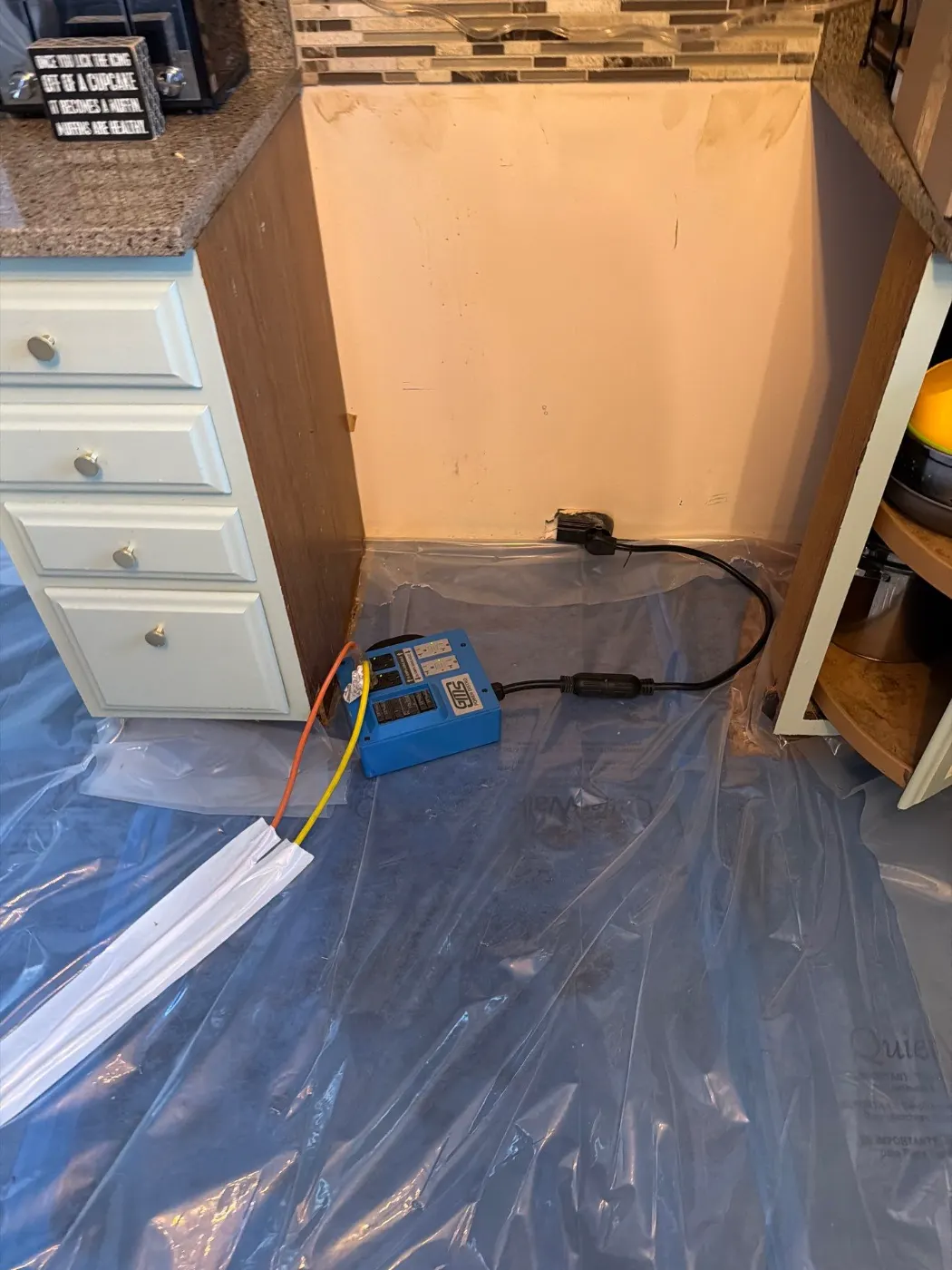
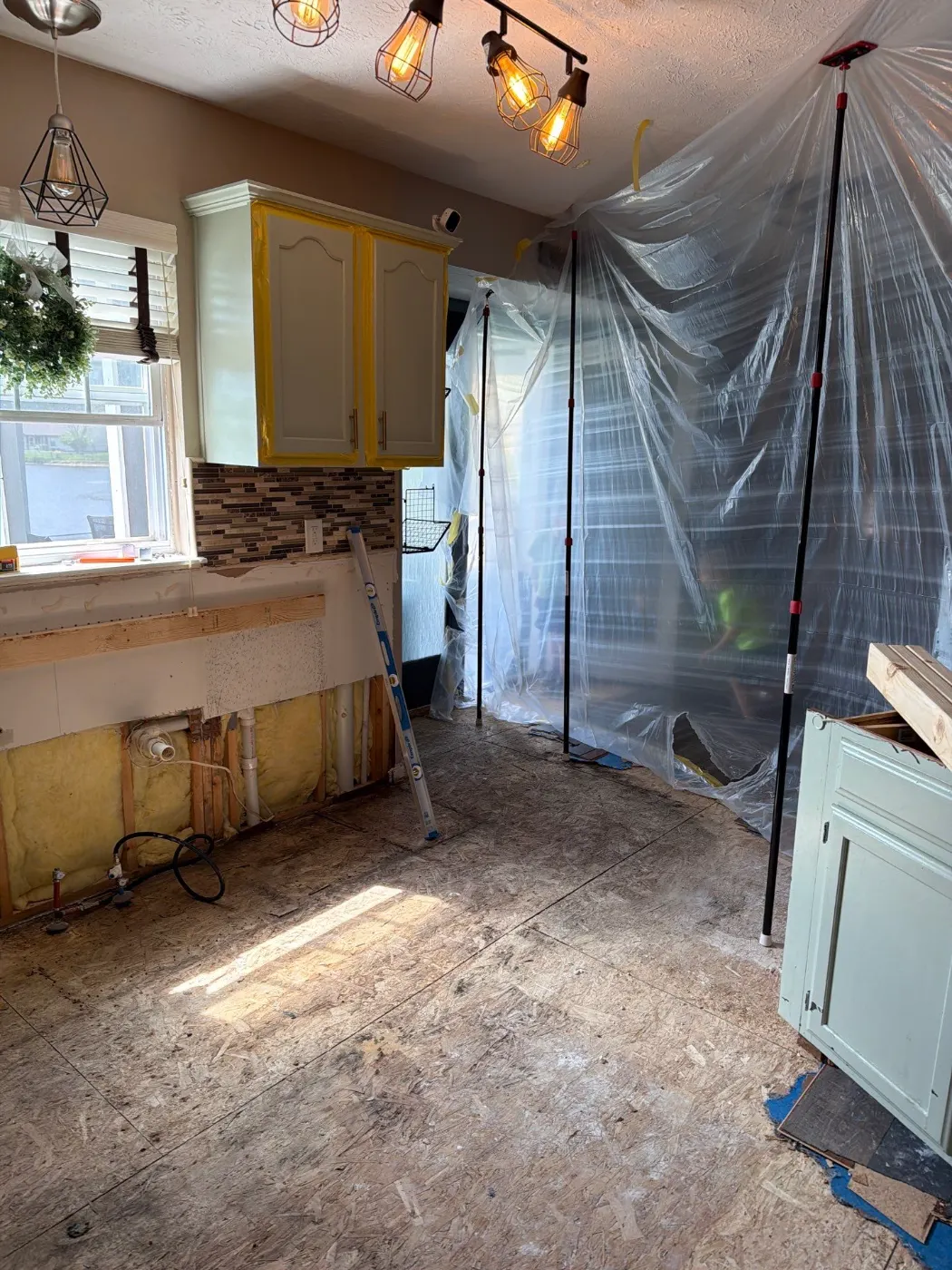
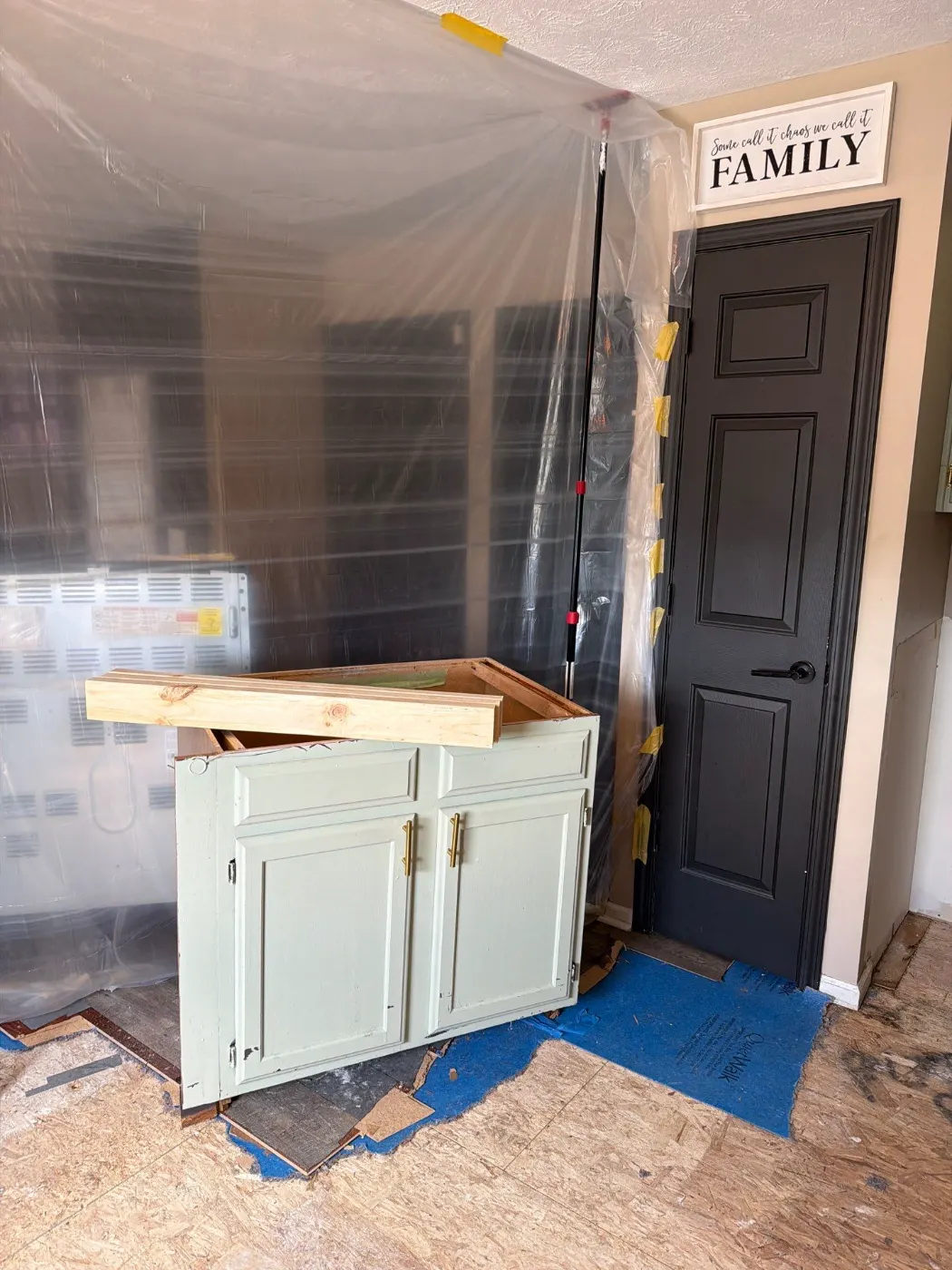
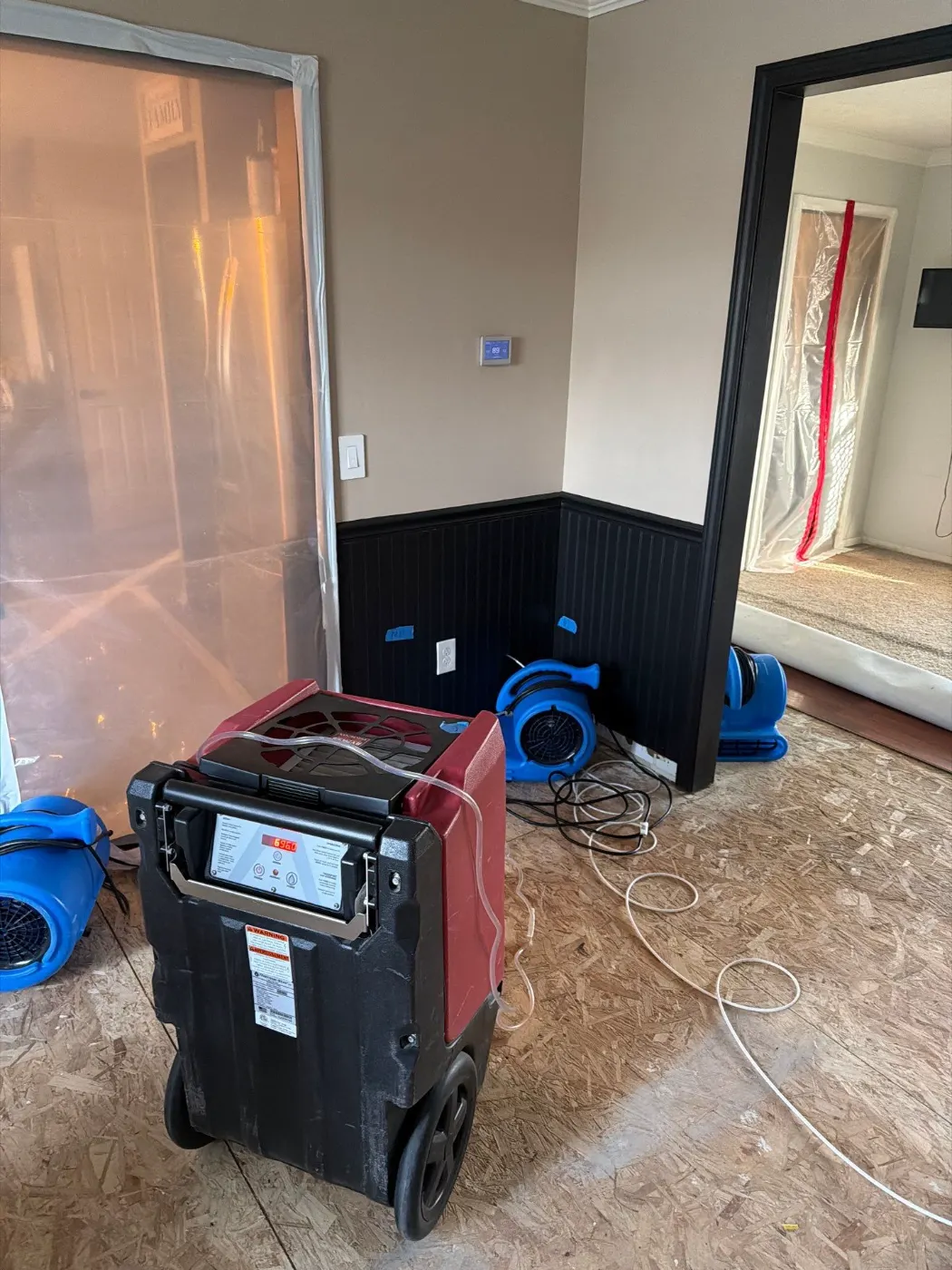
Photographs from real basement flooding jobs completed by our crew in Honey Creek and surrounding areas.

Basement Flooding FAQ
Questions Honey Creek homeowners ask us about basement flooding cleanup.
Guidance and Standards for Basement Flooding
- EPA advises drying water damaged areas and items within 24 to 48 hours to prevent mold growth. EPA: A Brief Guide to Mold, Moisture and Your Home
- Ready.gov notes that homeowners insurance policies don’t cover flooding, so check what your own policy says. Ready.gov: Floods
Honey Creek Neighborhoods We Serve
We take basement flooding calls in every part of Honey Creek. Pick your neighborhood for local details.
Other Restoration Services in Honey Creek
Honey Creek Water Restoration handles the full scope of restoration work. Explore our other services below.
Water Damage Restoration in Honey Creek
24/7 emergency response. IICRC certified water restoration from extraction to full dry out.
Learn more →Sewage Cleanup in Honey Creek
Category 3 biohazard cleanup. Full containment, decontamination, structural restoration.
Learn more →Storm Damage in Honey Creek
Storm related water emergencies. Tarping, extraction, drying, and full restoration.
Learn more →Request Basement Flooding Cleanup
Reach Us Directly
Our team is available 24/7 for emergencies and ready to schedule inspections during business hours.
Need Immediate Help?
For active water or mold emergencies, call us directly. We are available 24/7.