Commercial Mold Remediation in Honey Creek, IN
Commercial mold remediation in Honey Creek with containment, HEPA cleaning, drying verification and the rebuild after.
Need Commercial Mold Remediation in Honey Creek? Honey Creek Water Restoration schedules certified assessments, delivers written scopes before any work starts, and coordinates with your insurance carrier on approved claims. Call (765) 517-7678.
- Service: Commercial Mold Remediation for Honey Creek homeowners
- Service area: Honey Creek, IN and surrounding areas
- Response time: Assessments scheduled promptly, most within one business day
- Licensed and insured (License #RC21100059)
- Serving Honey Creek, IN since 2018
Commercial Mold Removal in Honey Creek
We handle commercial mold removal throughout Honey Creek, and we'll find the moisture source before the scope is written.
Moisture Sources Here
Buildings near the creek of the same name and the Wabash River can take on floodwater, and anything left wet afterward can grow mold. We'll go over the air handling and any past leaks on the first walkthrough with whoever runs the building.
We take commercial mold jobs anywhere in Honey Creek, including the streets around South Seventh Street and Terre Haute South Vigo High School. We also handle commercial mold work in Rockville and Brazil.
Commercial Mold Remediation for Honey Creek Businesses
Lower level storage rooms take the first hit when spring rain and snowmelt push groundwater against the foundation. Records boxes and shelving sit against walls that stay damp for days, and the paper facing on drywall holds that moisture. Honey Creek Water Restoration inspects below grade commercial space in Honey Creek after those events and maps how far the dampness has traveled.
Findings mean little if nobody can find them again. Honey Creek Water Restoration marks the floor plan of your Honey Creek building with a grid and ties each moisture reading and photograph to a grid location. An architect or a hygienist can open the report a year later and walk straight to the spot in question.
Air handling gets addressed as part of the work, since a running system is the fastest way to spread what you're trying to contain. The Honey Creek Water Restoration crew seals the zone's registers inside containment and coordinates with your building engineer on shutting down or rebalancing the affected air handler. Growth inside the unit or on the duct insulation gets flagged for your HVAC contractor to address.
Honey Creek Water Restoration documents the loss and bills the work you approved, and coverage questions stay with you, your broker and your carrier. What the team controls is the quality of the record, which means moisture readings tied to locations and dates, photographs that show the condition and a scope that explains itself line by line for your Honey Creek property.
Before anyone paints over the stain or swaps the ceiling tile and moves on, call Honey Creek Water Restoration. Covering the surface leaves the damp material and the water behind it in place. An inspection of your Honey Creek property finds out what's under the finish before another coat or another tile goes up.
Signs You Need Commercial Mold Remediation
If you notice any of these in your Honey Creek building, schedule a free inspection before the issue worsens.
Relative humidity in the space that stays high even with the mechanical equipment running normally
A written tenant complaint that names a stain or an odor in a specific room
Flooring adhesive letting go in one localized patch, with tiles lifting or releasing at the edges
Visible growth on the paper facing of batt insulation sitting above the ceiling grid
White crusting or powdery residue on a below grade wall that returns after it's wiped off
Rust or corrosion along the bottom track of metal studs where a wall has been opened
Water marks on inventory or cardboard stored directly against an exterior or below grade wall
Condensation forming on the interior face of exterior walls during a cold stretch
Loading dock leveler pits that collect water beside an office or break room wall
Spotting around a supply diffuser or discoloration radiating outward across the ceiling tile
How Honey Creek Water Restoration Handles Commercial Mold Remediation
We follow these steps in order on every Honey Creek job.
Inspection and Moisture Survey
Crews walk the affected area with thermal imaging and penetrating moisture meters, lift ceiling tiles where readings justify it, and open small inspection ports in wall assemblies. The survey defines the real boundary of the growth and identifies where the water is arriving from.
Stopping Active Water
If water is still arriving, stopping it comes before anything else. The crew works with the building engineer to find the valve or penetration involved, then controls it temporarily so the area stops getting wetter while the scope is written.
Utility Isolation and Power Plan
Circuits and water lines that pass through the work area get isolated by the building engineer, and the crew confirms they're dead or shut before demolition. Dedicated power gets located for the negative air machines so pressure holds overnight.
HVAC Isolation
The crew coordinates with the building engineer to shut down or rebalance the affected air handler and seals its registers inside containment. Growth inside the unit or on duct insulation gets flagged for your HVAC contractor, and that work gets scoped separately.
Affected Material Removal
Porous material with growth in it comes out: saturated batt insulation, affected gypsum board and ceiling tile. Crews mist material before cutting, bag it inside containment, wipe the bags down, and carry them out through the decontamination entry on an agreed route.
Commercial Mold Remediation in Honey Creek
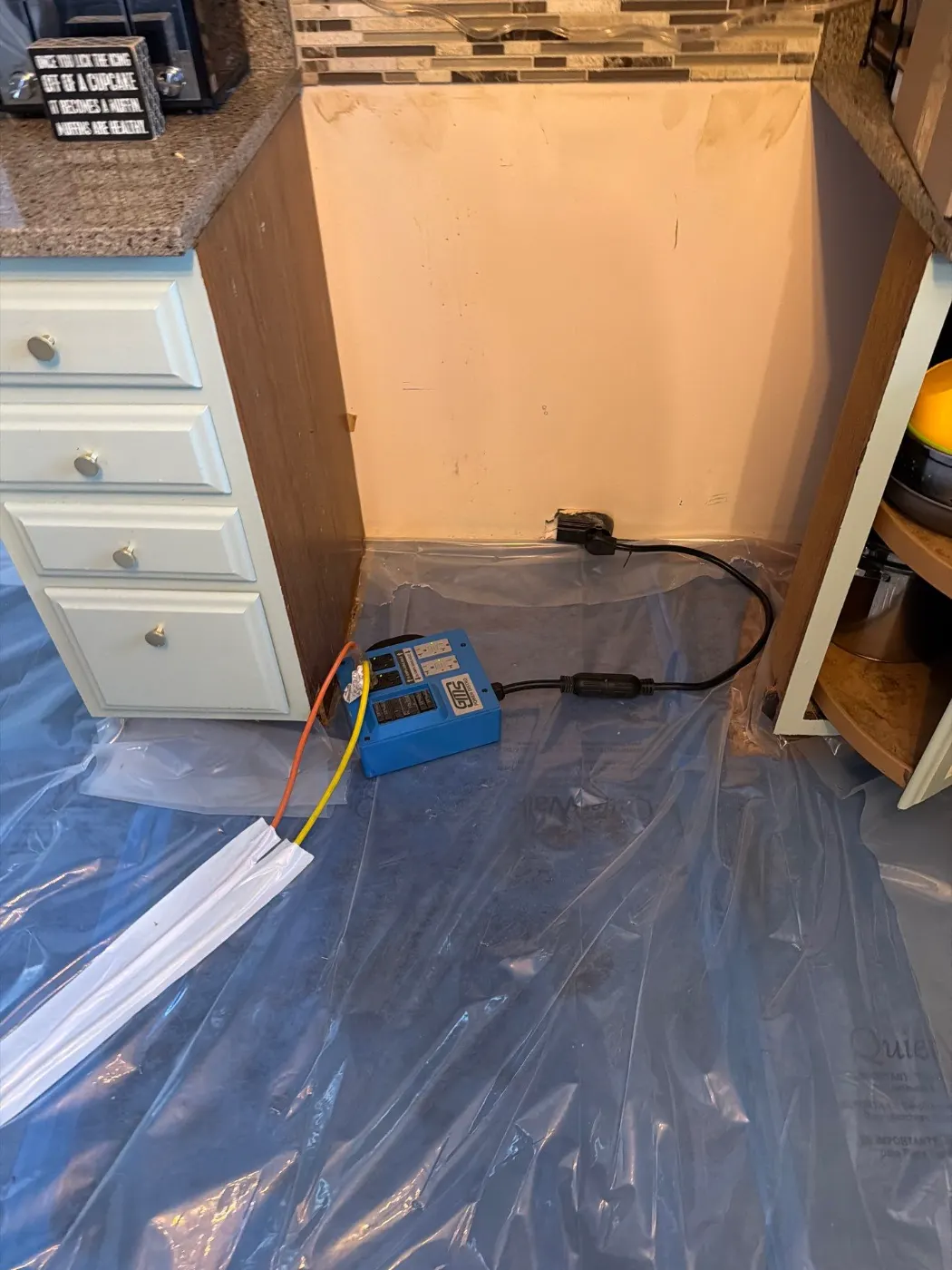
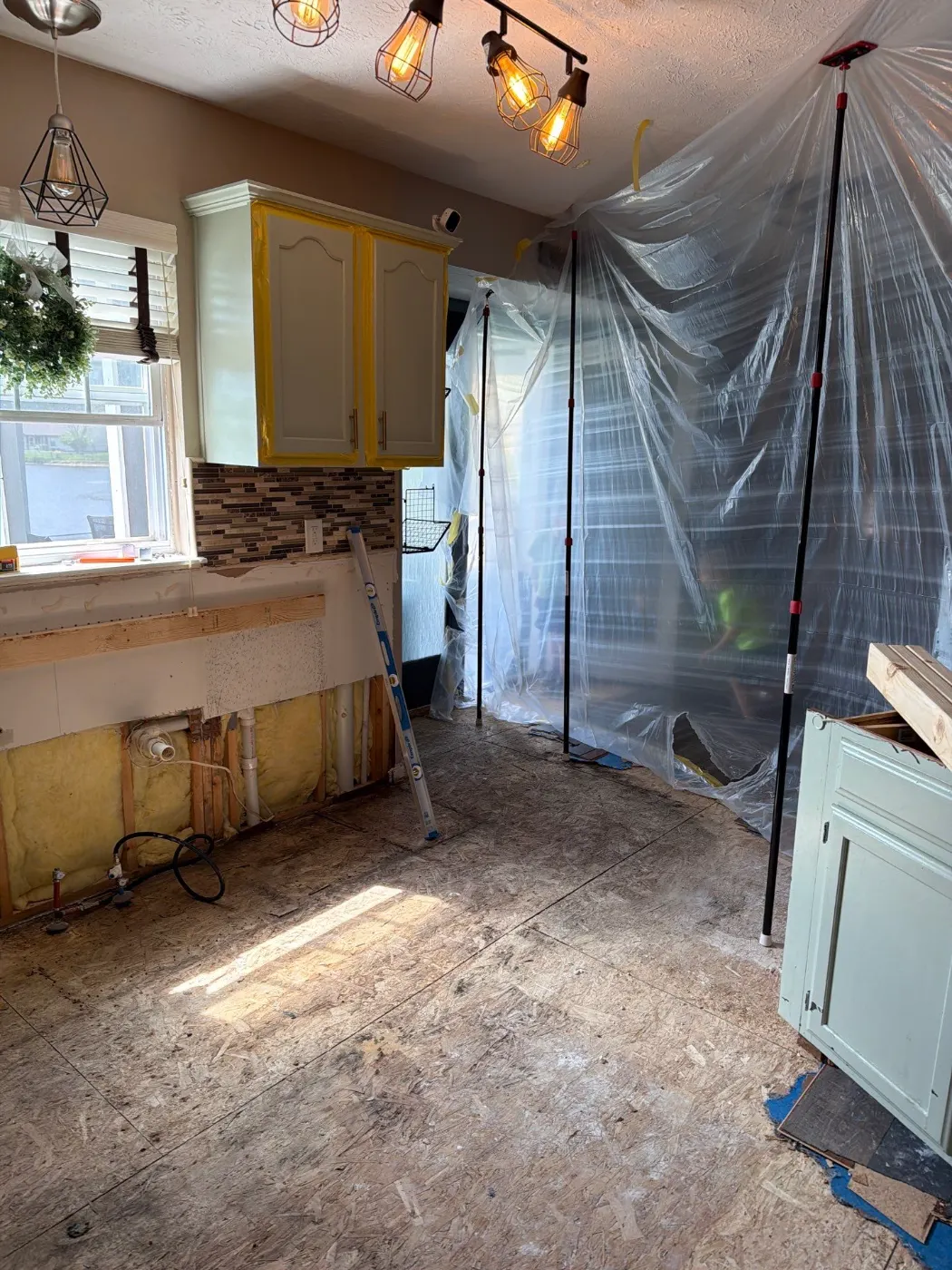
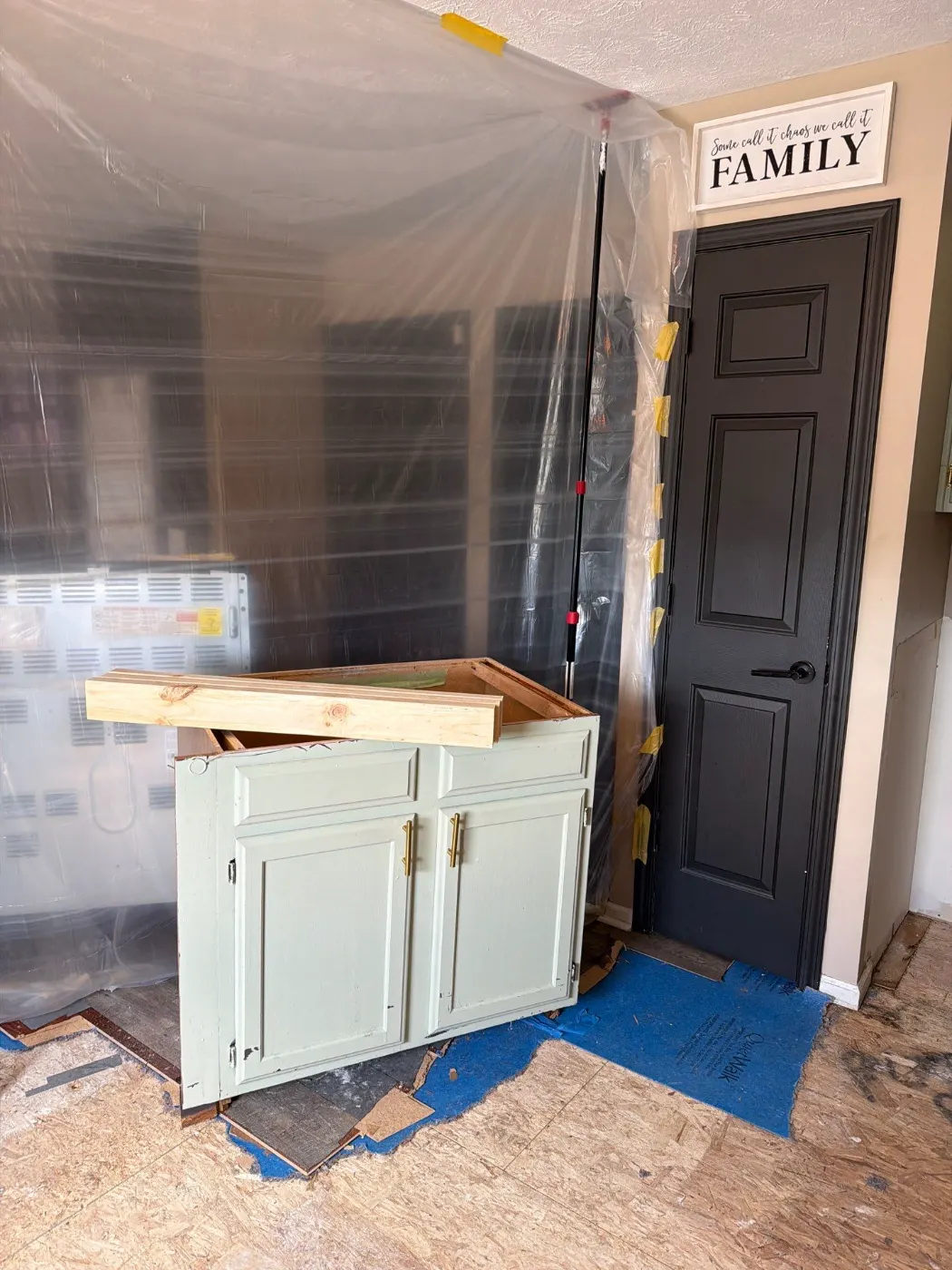
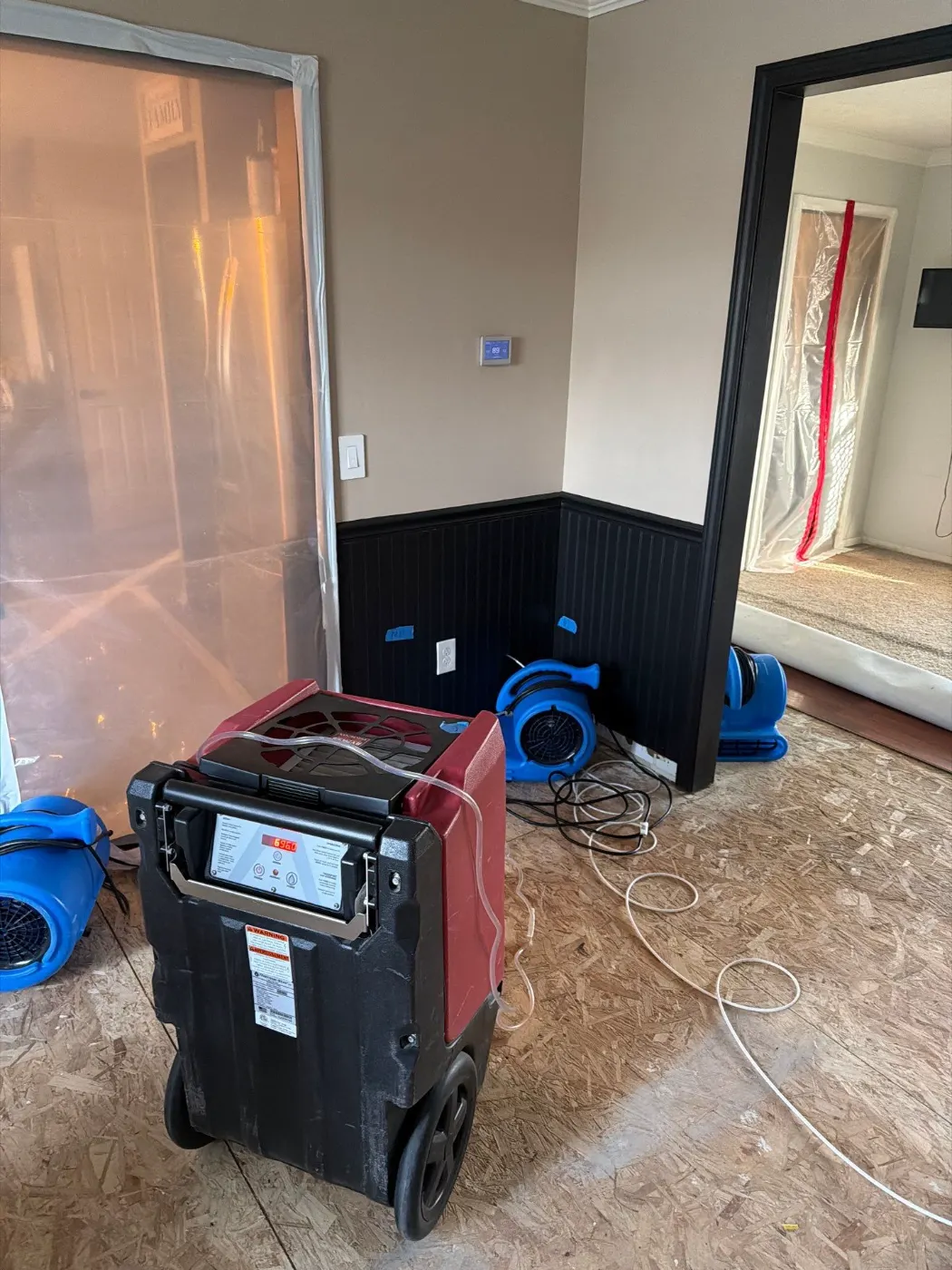
Photographs from real commercial mold remediation jobs completed by our crew in Honey Creek and surrounding areas.
Commercial Mold Remediation FAQ
Questions Honey Creek property managers ask us about commercial mold remediation.
Guidance and Standards for Commercial Mold Remediation
- The ANSI/IICRC S520 is the published standard for professional mold remediation. The current edition is the Fourth Edition, 2024. IICRC S520 Standard
- EPA’s mold guide says the key to mold control is moisture control. EPA: A Brief Guide to Mold, Moisture and Your Home
Honey Creek Neighborhoods We Serve
We take commercial mold remediation calls in every part of Honey Creek. Pick your neighborhood for local details.
Other Restoration Services in Honey Creek
Honey Creek Water Restoration handles the full scope of restoration work. Explore our other services below.
Water Damage Restoration in Honey Creek
24/7 emergency response. IICRC certified water restoration from extraction to full dry out.
Learn more →Basement Flooding in Honey Creek
Basement water emergencies handled fast. Extraction, drying, mold prevention.
Learn more →Sewage Cleanup in Honey Creek
Category 3 biohazard cleanup. Full containment, decontamination, structural restoration.
Learn more →Request Commercial Mold Remediation
Reach Us Directly
Our team is available 24/7 for emergencies and ready to schedule inspections during business hours.
Need Immediate Help?
For active water or mold emergencies, call us directly. We are available 24/7.